
-
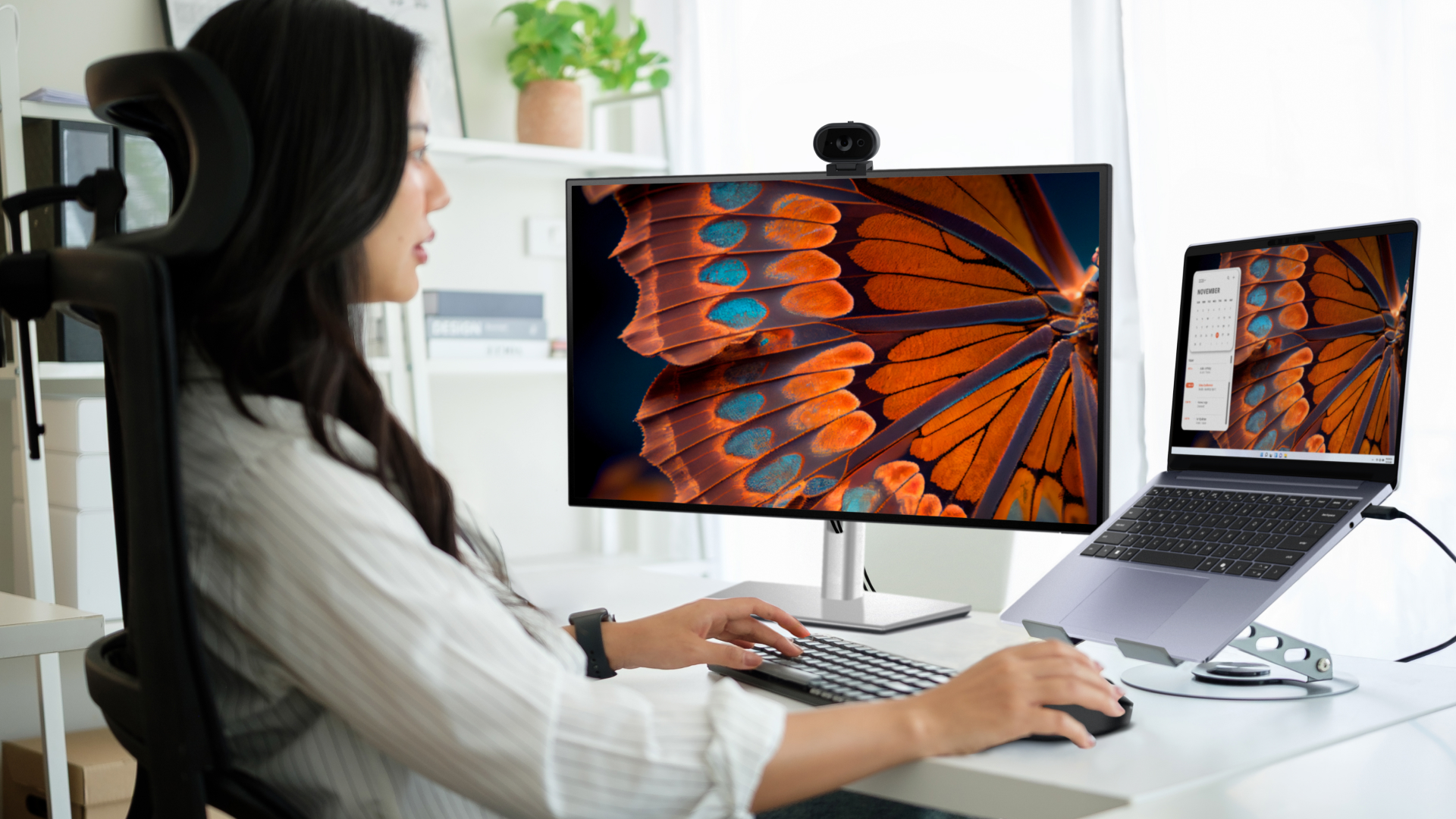 The Dell Pro 7 2-in-1: Your questions answered
Sponsored The Dell Pro 7 family offers both clamshell professional-grade laptops and 2-in-1 options, with a suite of configurable specs and features.
-
 4 ways businesses are using Dell PowerProtect One to go beyond backup and build recovery-ready operations
Sponsored PowerProtect One provides a unified cyber resilience platform. But how can you make full use of its powerful features?


-
 Dropbox appoints Jim Rudall to lead EMEA commercial business
The former Intuit Mailchimp executive will oversee the company’s regional go-to-market strategy and customer growth
-
 Future trends, changing work today
whitepaper The Ultimate Guide
-
 Go virtual in 3 steps, with Forrester
whitepaper Put virtual reality technology to work in your business
-
 VR Diaries: Forrester
Webinar Put virtual reality technology to work in your business
-
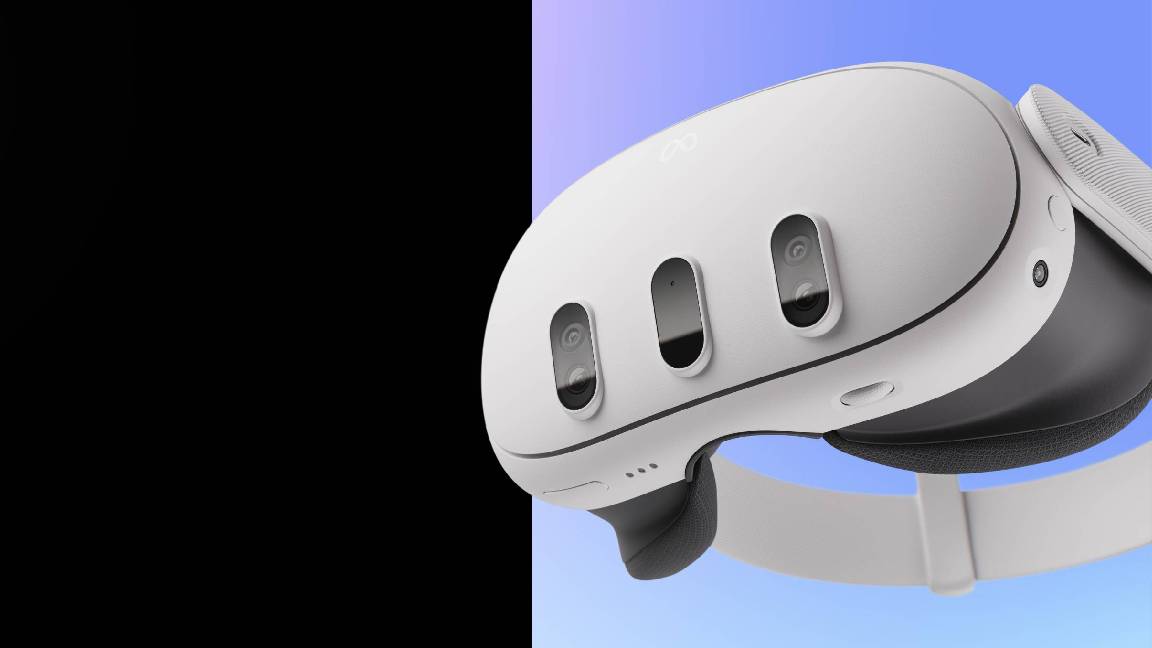 Mixed reality for work
whitepaper The ultimate guide
-
 Meet in VR: The beginner's guide
whitepaper Seven meeting challenges VR can help you solve
-
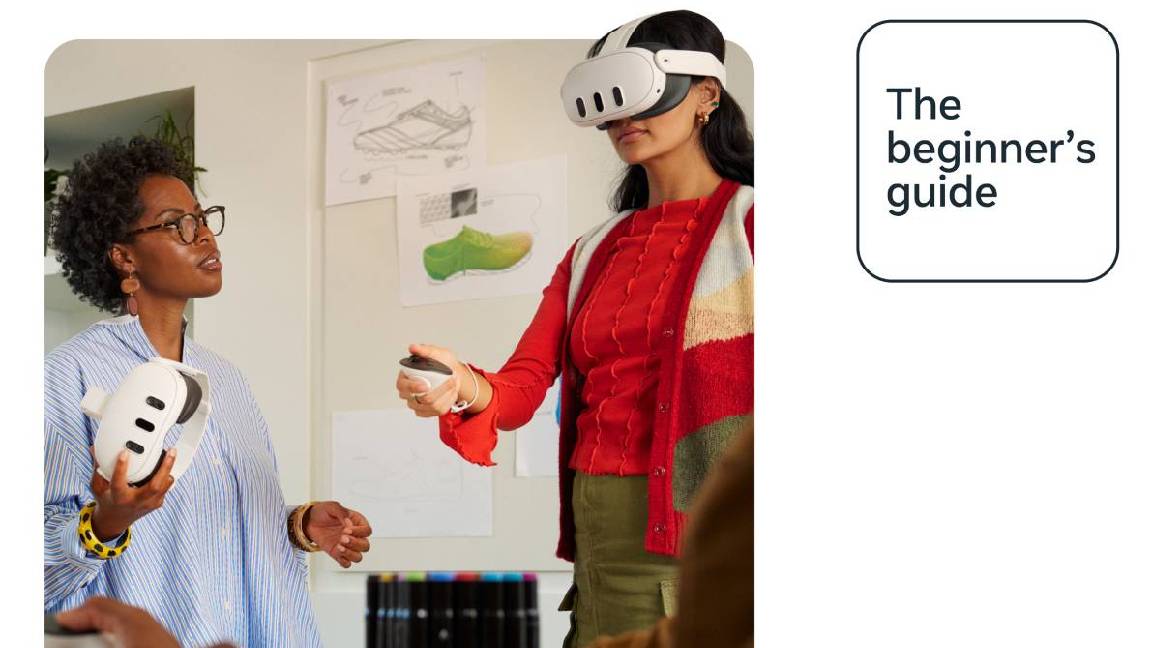 Learn in VR: The beginner's guide
whitepaper Seven training challenges VR can help you solve
-
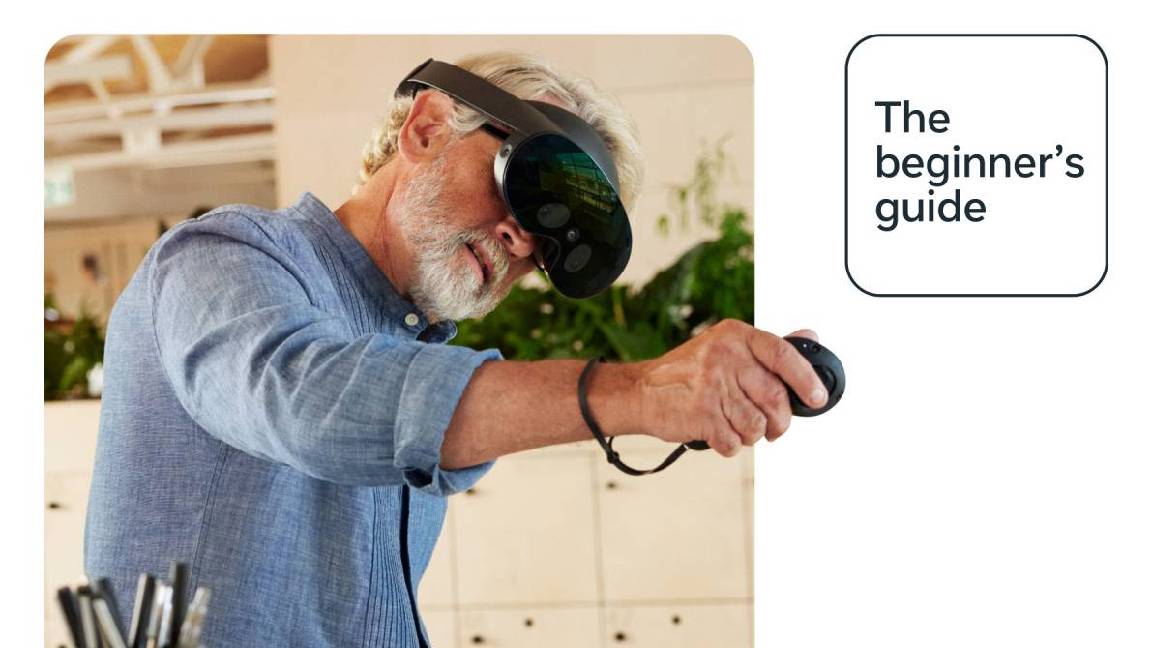 Create in VR: The beginner's guide
whitepaper Five creative challenges VR can help you solve


