Samsung overtakes Apple to lead smart device market
Apple maintains tablet market dominance, but Samsung smartphone sales power it to market top spot.
Samsung has overtaken Apple to lead the connected devices market, after shipping more smartphones and portable PCs during 2012 than its arch-rival.
This is according to IDC's latest Worldwide Quarterly Smart Connected Device Tracker report, which claims shipments were up 28.3 per cent on 2011 during the fourth quarter and totalled 367.7 million units.
The market watcher's connected device tracker logs shipments for desktop and portable PCs, as well as smartphones and tablets each quarter.
The question moving forward will be whether or not Apple can maintain its hit parade against the juggernaut of Samsung.
In keeping with the reports of other industry analysts, the firm recorded year-on-year declines in desktop and portable PC shipments (of 4.1 and 3.4 per cent, respectively), while tablet and smartphones sales continued to soar.
Tablets experienced the largest year-on-year growth of all the devices tracked by the IDC report, and were up 78.4 per cent on 2011, while smartphones accounted for just over 60 per cent of all the smart devices shipped in 2012.
Ryan Reith, programme manager of IDC's Worldwide Mobile Device Trackers, said PC sales are being affected by falling tablet prices and the relative disposability of smart devices.
"Smartphones and tablets are growing at a pace that PCs can't realistically keep up with because of device prices and to some extent disposability," said Reith.
Sign up today and you will receive a free copy of our Future Focus 2026 report - the leading resource for IT decision-maker insight on priorities and investment areas in AI, security and more.
"The average selling price for a tablet declined 15 per cent in 2012 to $461 and we expect that trend to continue in 2013."
From a vendor perspective, Samsung managed to usurp Apple as the leader of the connected device market and shipped 250 million PCs, tablets, and smartphones over the past 12 months.
This was 119.3 per cent higher than the number shipped during 2011, and was driven primarily by its success in the smartphone market.
The firm shifted more smartphones and portable PCs than its rival during 2012, but Apple shipped more tablets.
In terms of market share, Apple's has remained largely the same since Q4 2011 at around 20 per cent, while Samsung's has risen from 14.6 to 21.2 per cent over the same time period.
Trailing behind Samsung and Apple is Lenovo in third place with 6.5 per cent share.
The Chinese vendor shipped 30 million portable PCs in 2012, but has seen its smartphone shipments steadily increase by around 20 million units from 3.7 million in 2011.
Hardware giants HP and Dell both paid the price, in market share terms, for their deficiencies in the tablet and smartphone department, with both reporting slumps.
However, Bob O'Donnell, programme vice president for clients and displays at IDC, said Apple regained a lot of lost ground against Samsung during Q4.
"After falling well behind Samsung early in 2012, Apple came roaring back in final quarter of the year thanks to its latest hits the iPhone 5 and the iPad Mini and reduced the market share gap to less than a single percentage point.
"The question moving forward will be whether or not Apple can maintain its hit parade against the juggernaut of Samsung," he added.
Caroline Donnelly was the news and analysis editor of IT Pro. Previously, she worked as a reporter at several B2B publications, including UK channel magazine CRN, and as features writer for local weekly newspaper, The Slough and Windsor Observer. She studied Medical Biochemistry at the University of Leicester and completed a Postgraduate Diploma in Magazine Journalism at PMA Training in 2006.
-
Workday is moving like a start-up to compete in the AI eraIn-depth The firm says it is focused on delivering value for customers
-

From discovery to orchestration - how AI is reshaping the channel marketplaceIndustry Insights AI is transforming marketplaces from product discovery into intelligent commercial orchestration
-
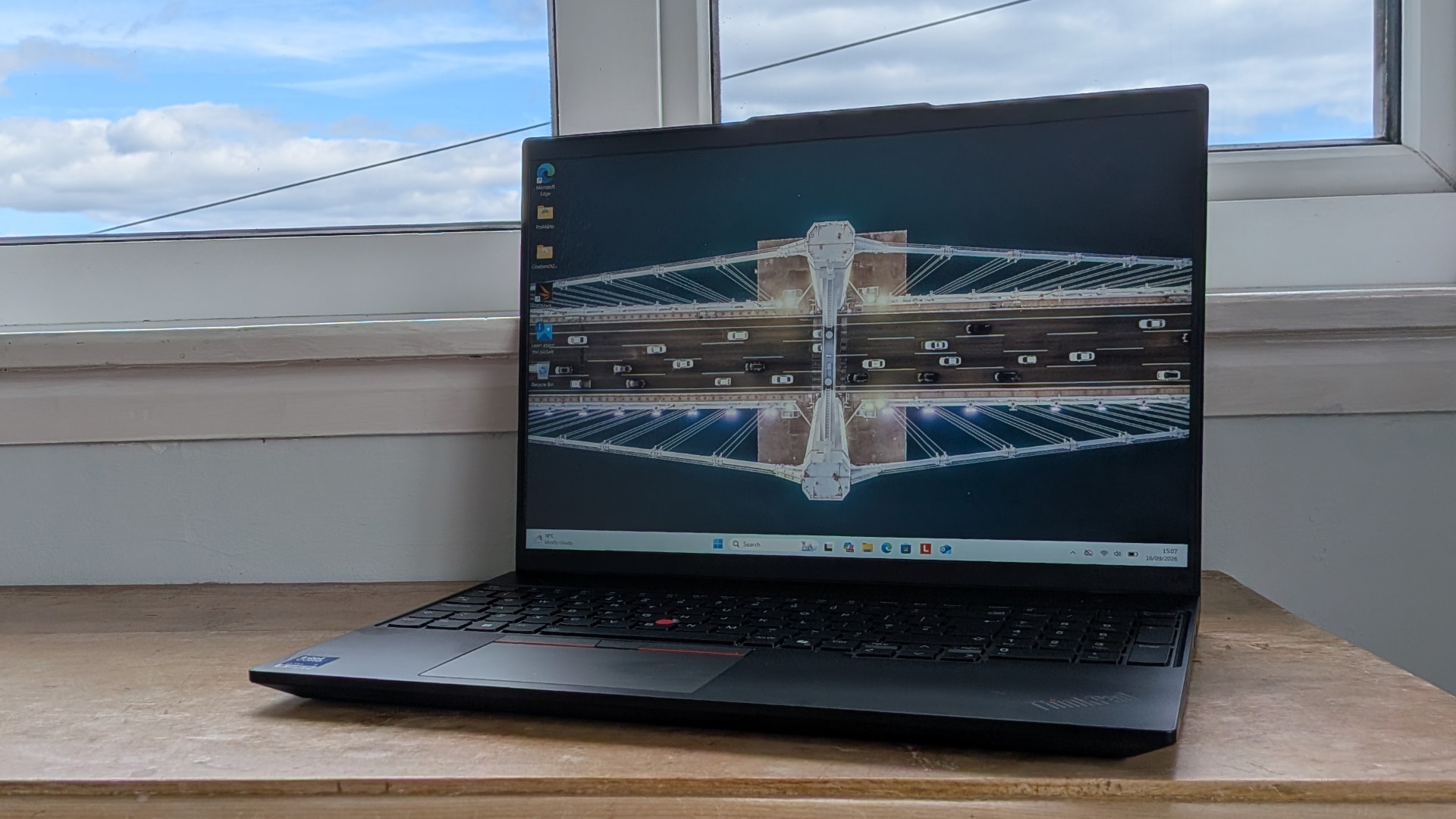
Lenovo ThinkPad L16 Gen 3 review: All about the productivityReviews A rock-solid big-screen productivity machine, though you could get more performance and a better screen if you look elsewhere
-
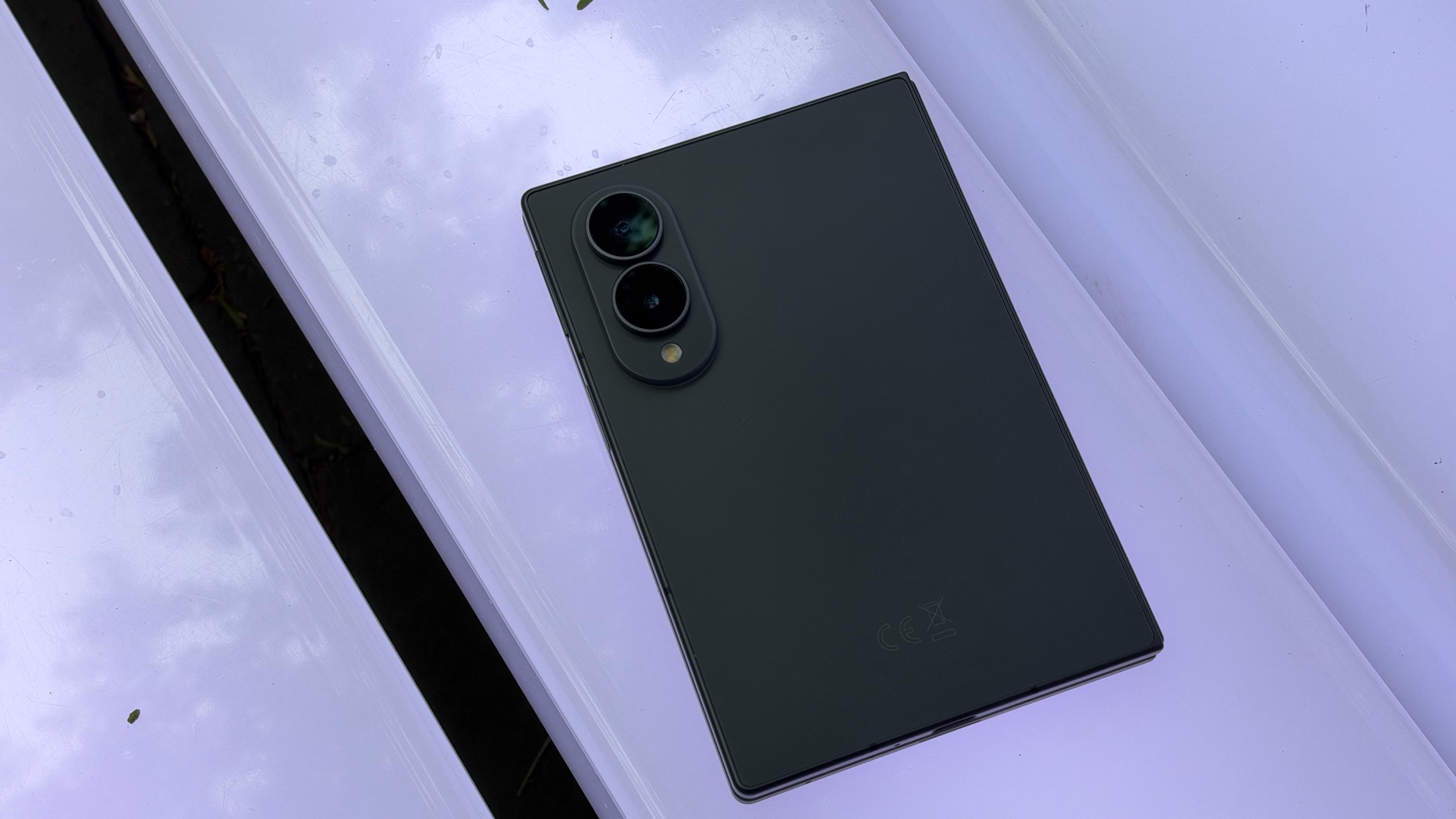
The Samsung Galaxy Z Fold 8 Enterprise Edition is the reel deal for scrolling socials – even if you only ever use the cover displayReview It's revitalized the foldable category with a new shape and aspect ratio, but there are compromises
-

Is your data ready for the AI rush? Questions IT leaders should ask before scaling AISponsored IT leaders face an array of considerations when embarking on an AI initiative, but what areas should they prioritize?
-
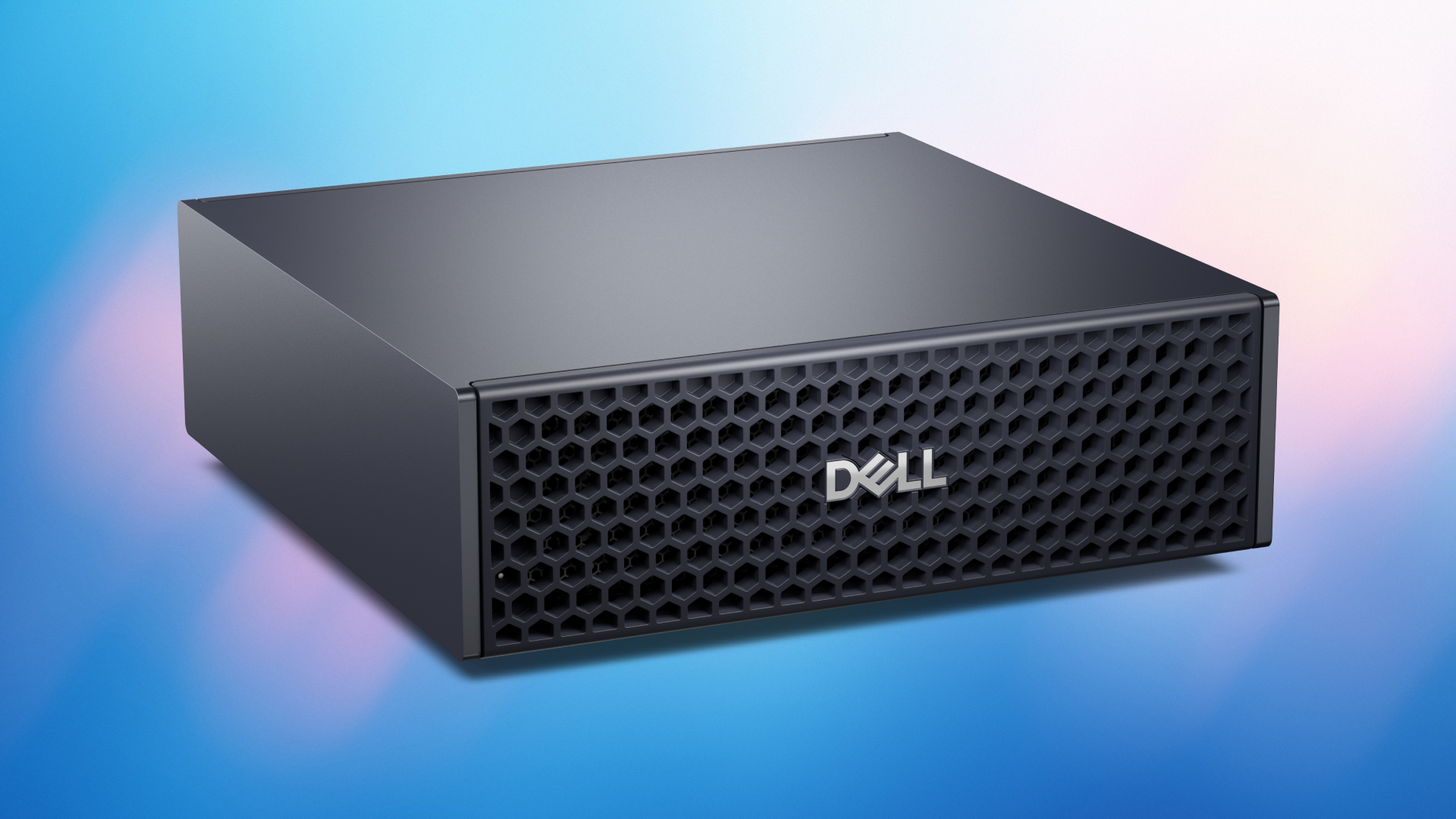
8 reasons the NVIDIA-powered Dell Pro Precision with GB10 could become every AI developer’s favorite toolSponsored How Dell Pro Precision with GB10 puts frontier-level AI compute on your desk (and could save you money on token spend)
-
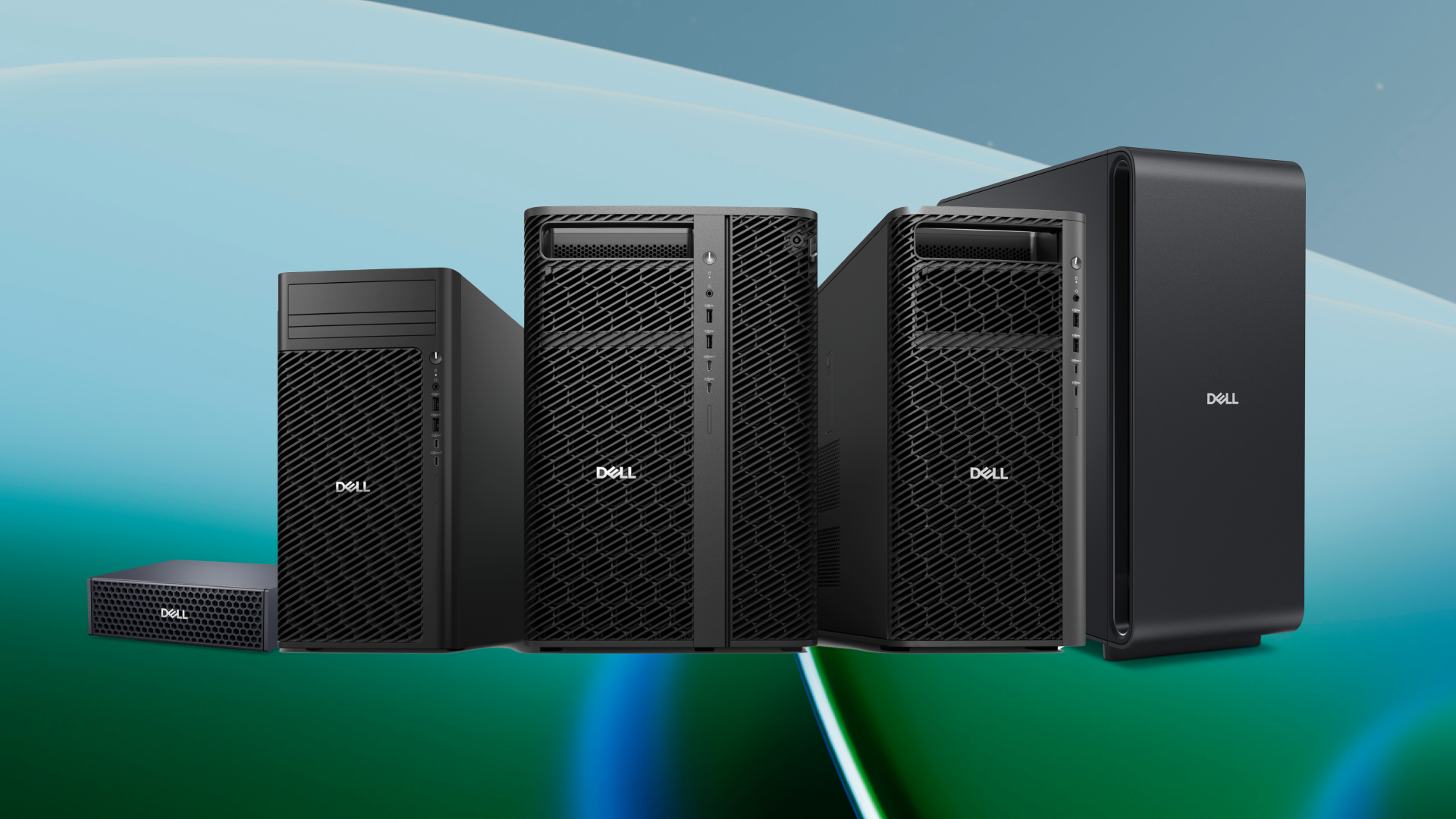
$3k a day on tokens? Dell’s deskside agentic AI Accelerators will save you money on AI developmentSponsored Enterprises are facing rising AI bills, but it doesn’t have to be that way
-
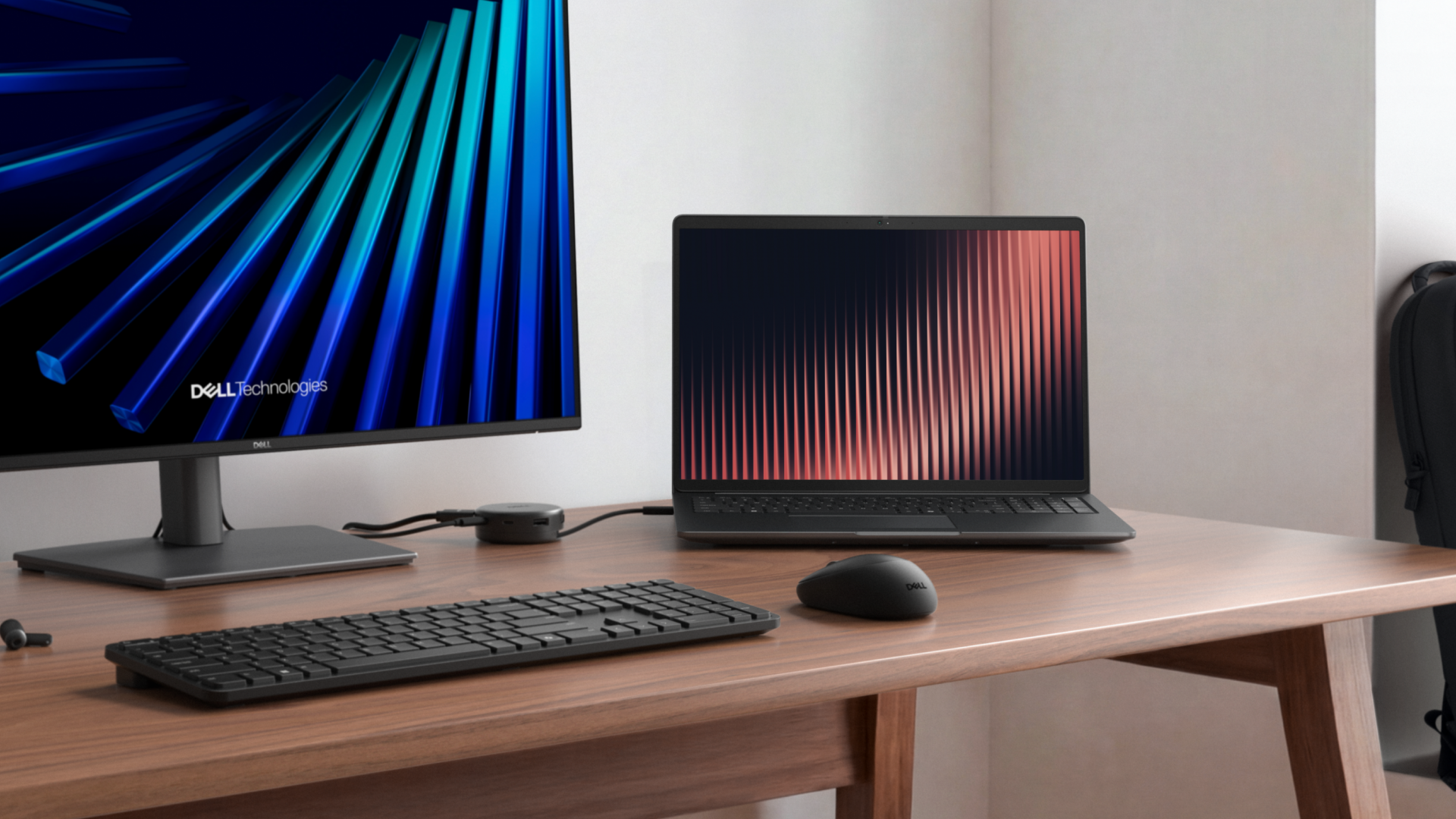
Dell Pro 5 or Dell Pro 7? How to choose the right laptop for your employeesSponsored Office powerhouse or master of mobile working? The choice is yours. Find out if you should buy the Dell Pro 5 or Dell Pro 7 for your business
-
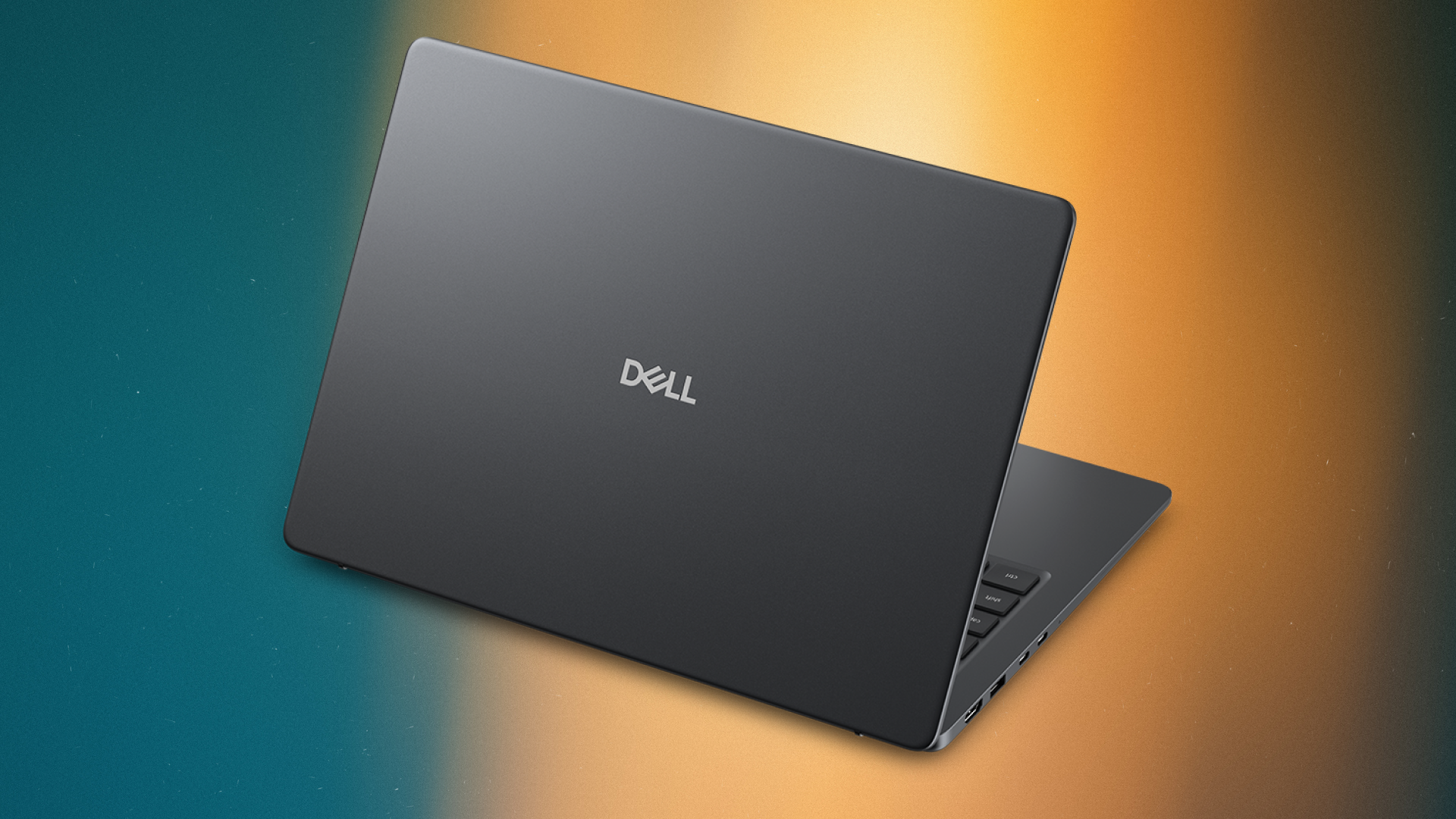
How the Dell Pro 5 & Dell Pro 7 laptops add a layer of security for better hybrid workingSponsored Secure your hybrid workforce with Dell Pro laptops, featuring robust silicon-level hardware protection that safeguards critical data below the operating system
-
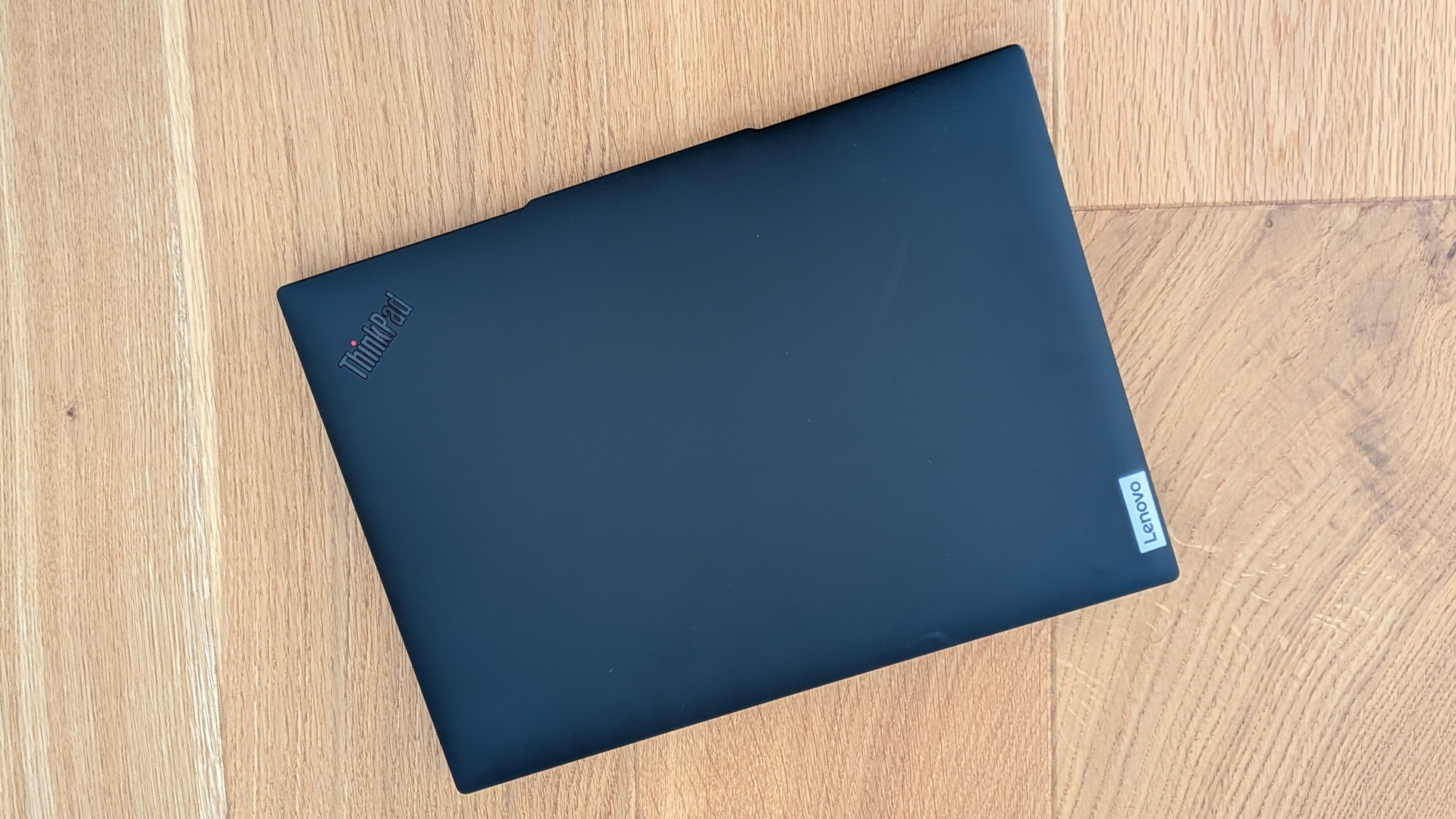
The AI-enhanced Lenovo ThinkPad L14 Gen 7 underperforms with Intel's latest techReviews A solid ThinkPad refresh, albeit with a slightly disappointing screen, but it's a well-built and hugely usable laptop.