IBM dedicates supercomputing power to coronavirus research
The initiative will give researchers 330 petaflops to help fight the COVID-19 pandemic
IBM has announced that it will provide 330 petaflops of computing power to help researchers better understand COVID-19 and search for potential treatments and cures.
The company, along with Amazon, Microsoft, and Google, is teaming up with the White House and the US Department of Energy in order to bring a massive amount of supercomputing power to scientists, engineers and researchers who are working to fight the global coronavirus pandemic.
Through the COVID-19 High Performance Computing Consortium, the companies and organisations will hand over 16 systems that will equip researchers with 775,000 CPU cores, 34,000 GPUs and a massive 330 petaflops of computing power.
These systems, IBM claimed, will allow researchers to run very large numbers of calculations in epidemiology, bioinformatics, and molecular modelling, tasks that would “take years to complete if worked by hand, or months if handled on slower, traditional computing platforms”.
“These high-performance computing systems allow researchers to run very large numbers of calculations in epidemiology, bioinformatics, and molecular modelling," IBM Research director Dario Gil wrote in a blog post.
"These experiments would take years to complete if worked by hand, or months if handled on slower, traditional computing platforms.
“Since the start of the COVID-19 pandemic, we have been working closely with governments in the US and worldwide to find all available options to put our technology and expertise to work to help organizations be resilient and adapt to the consequences of the pandemic.”
Sign up today and you will receive a free copy of our Future Focus 2026 report - the leading resource for IT decision-maker insight on priorities and investment areas in AI, security and more.
IBM said that its Summit machine, the world’s most powerful supercomputer on the planet, has already enabled researchers at the Oak Ridge National Laboratory and the University of Tennessee to screen 8,000 compounds to find those that are most likely to bind to the main “spike” protein of the coronavirus, rendering it unable to infect host cells.
This news follows an announcement by IBM that it’s expanding its 2020 Call for Code challenge, first announced in February with a focus on climate change, to also help tackle the coronavirus crisis.
By doing so, IBM hopes that it will encourage developers to create apps that address specific COVID-19 areas, including crisis communication during an emergency, ways to improve remote learning, and how to inspire cooperative local communities.
“We are working with some of the world’s leading experts to define the most pressing needs and provide the most helpful resources,” IBM said. “Together, we have the power to use the latest technology in ways that make an immediate and lasting humanitarian impact in local communities and across the globe. Thank you for answering the call in this unprecedented time in our history."
Carly Page is a freelance technology journalist, editor and copywriter specialising in cyber security, B2B, and consumer technology. She has more than a decade of experience in the industry and has written for a range of publications including Forbes, IT Pro, the Metro, TechRadar, TechCrunch, TES, and WIRED, as well as offering copywriting and consultancy services.
Prior to entering the weird and wonderful world of freelance journalism, Carly served as editor of tech tabloid The INQUIRER from 2012 and 2019. She is also a graduate of the University of Lincoln, where she earned a degree in journalism.
You can check out Carly's ramblings (and her dog) on Twitter, or email her at hello@carlypagewrites.co.uk.
-
‘This new system will help you do more quantum computing, faster’: IBM says its Nighthawk r2 quantum processor marks a step change in compute capabilityNews Nighthawk r2 is the firm's fastest-ever system and is now available for researchers
-
OpenAI forges closer ties with IBM in enterprise pushNews The duo will combine OpenAI models and products with IBM Consulting expertise
-

One-in-five breaches are now AI-related, IBM warnsNews While AI threats are rising, enterprises are bolstering cyber resilience capabilities
-
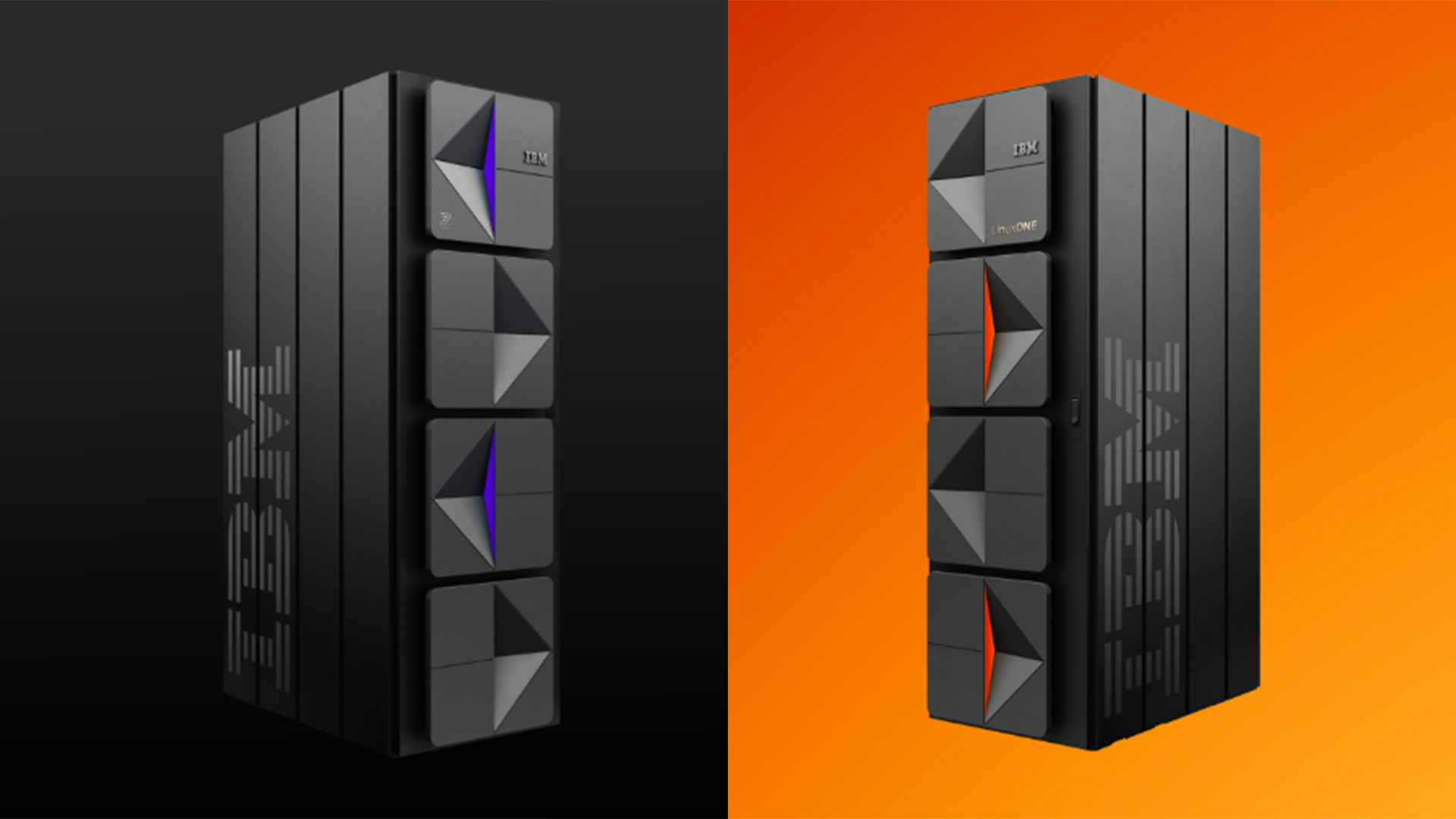
IBM targets data center efficiency gains with new z17 and LinuxONE offeringsNews Cost, data center footprint, and performance improvements are coming for IBM Z and LinuxONE customers
-
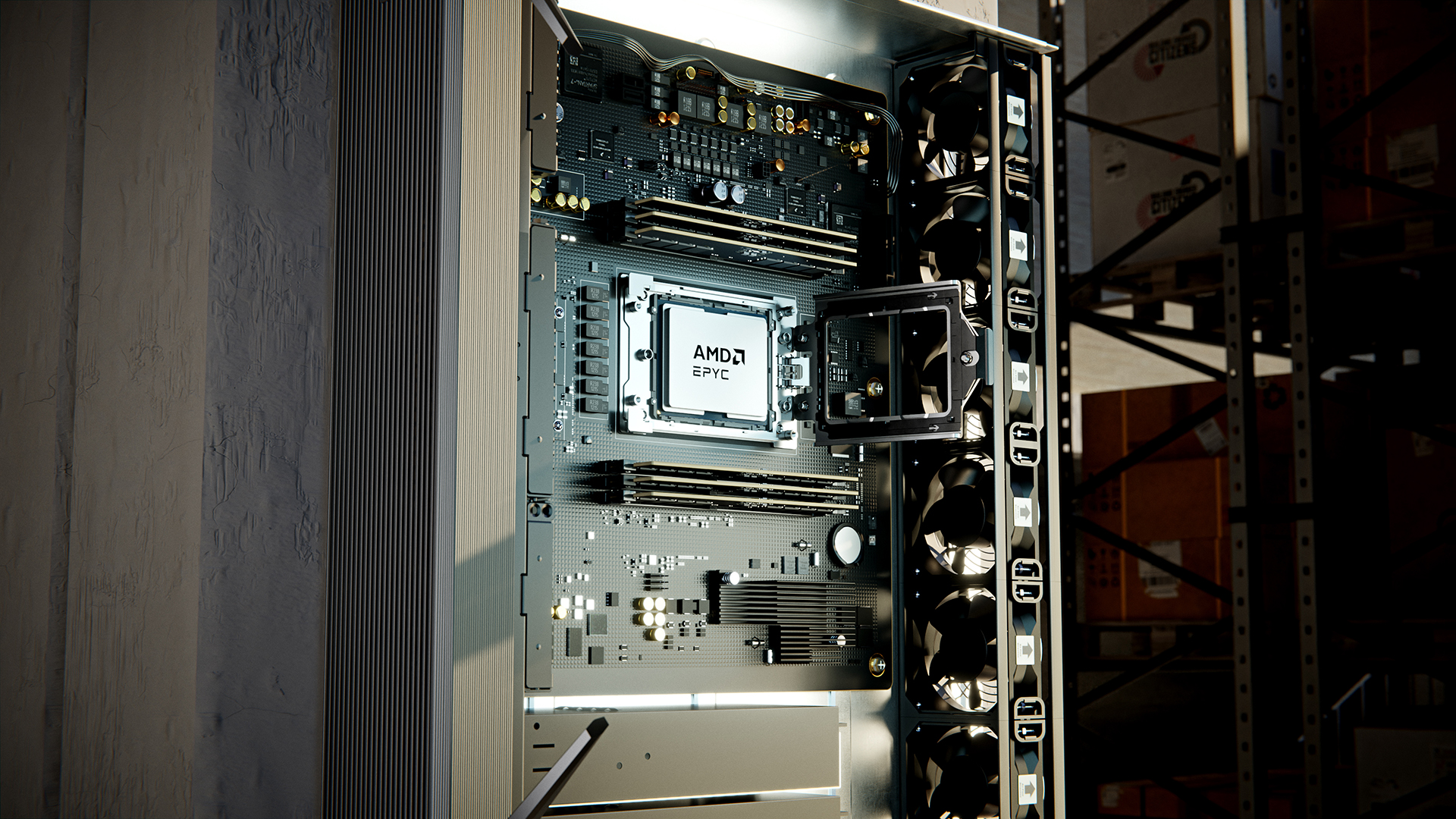
How AMD EPYC CPUs and AMD Instinct GPUs are powering the world's HPC facilitiesSponsored AMD offers powerful chipsets for AI and traditional HPC workloads, including native FP64 support
-

CIOs and CTOs are making high-stakes decisions with incomplete information, IBM survey revealsNews Architecture, governance, and investment decisions control how fast organizations can move, what risks they can handle, and which opportunities are viable
-
How AI code is changing software developmentITPro Podcast At firms like OpenAI the majority of code is now generated with AI tools
-
IBM strikes Arm deal in AI-focused hardware pushNews The companies say they want to help enterprises run future AI and data intensive workloads more flexibly