Facebook buys Oculus to power virtual reality push
The two companies will work on new platform for interaction, starting with games on the social network.
Facebook has acquired Oculus, a virtual reality specialist, for $2bn (1.2bn) to help create more engaging games on the social network.
In a blog post, Oculus said the two companies have a "deeper vision of creating a new platform for interaction that allows billions of people to connect in a way never before possible."
Facebook founder Mark Zuckerberg said the company hopes to use the Oculus technology to create virtual reality games, with the help of developers.
Zuckerberg explained: "After games, we're going to make Oculus a platform for many other experiences. Imagine enjoying a court side seat at a game, studying in a classroom of students and teachers all over the world or consulting with a doctor face-to-face just by putting on goggles in your home."
He continued: "Mobile is the platform of today, and now we're also getting ready for the platforms of tomorrow. Oculus has the chance to create the most social platform ever, and change the way we work, play and communicate."
Oculus used crowdfunding platform Kickstarter to finance the Oculus Rift VR headset back in 2012. The company caught the attention of Doom co-creator John Carmack who helped promote the headset and, as a result, the company sold 60,000 units to game developers who are now producing titles using the technology.
The company added: "We've defined what consumer virtual reality needs to be and what it's going to require to deliver it. [Facebook is] culturally aligned with a focus on innovating and hiring the best and brightest; we believe communication drives new platforms; we want to contribute to a more open, connected world; and we both see virtual reality as the next step."
Sign up today and you will receive a free copy of our Future Focus 2026 report - the leading resource for IT decision-maker insight on priorities and investment areas in AI, security and more.
Following the acquisition announcement, many developers took to Twitter to voice their concerns about Oculus being bought by a huge corporation like Facebook.
Minecraft creator Markus Persson has decided to cancel his agreement with Oculus because he believes social networking is not the future of gaming.
He wrote in a lengthy blog post: "I definitely want to be a part of VR, but I will not work with Facebook. Their motives are too unclear and shifting, and they haven't historically been a stable platform. There's nothing about their history that makes me trust them, and that makes them seem creepy to me."
Clare is the founder of Blue Cactus Digital, a digital marketing company that helps ethical and sustainability-focused businesses grow their customer base.
Prior to becoming a marketer, Clare was a journalist, working at a range of mobile device-focused outlets including Know Your Mobile before moving into freelance life.
As a freelance writer, she drew on her expertise in mobility to write features and guides for ITPro, as well as regularly writing news stories on a wide range of topics.
-
Develop AI in the cloud or locally? Why you need to consider local AI computeSponsored Local, deskside agentic AI workstations help AI developers reduce pricey cloud-based API fees
-
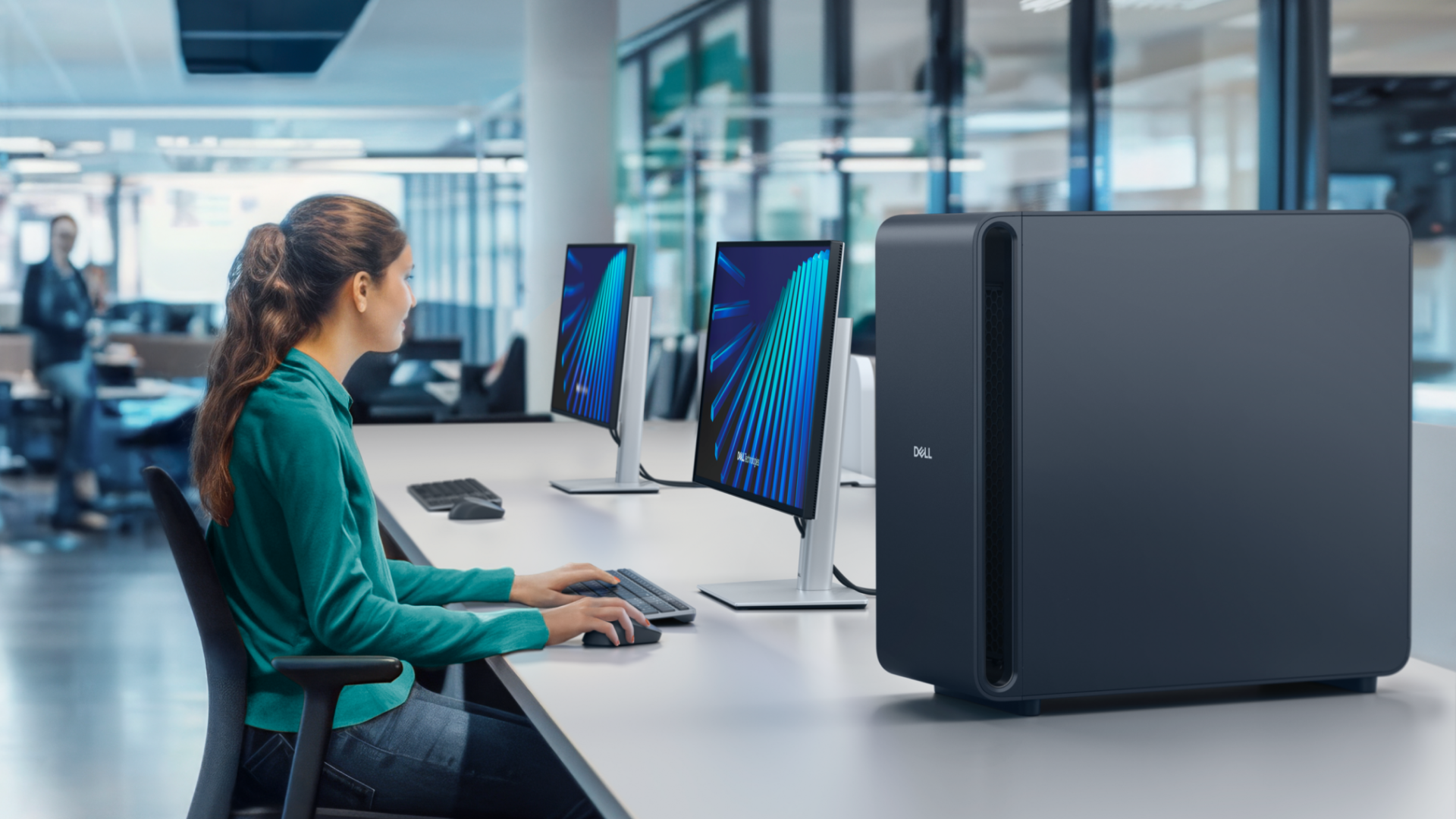
The million-dollar question: How IT leaders are using the Dell Pro Precision with GB300 to move agentic AI workloads out of the cloudSponsored Dell’s deskside agentic AI workstations could be the difference between soaring token bills and cost-efficient AI development
-
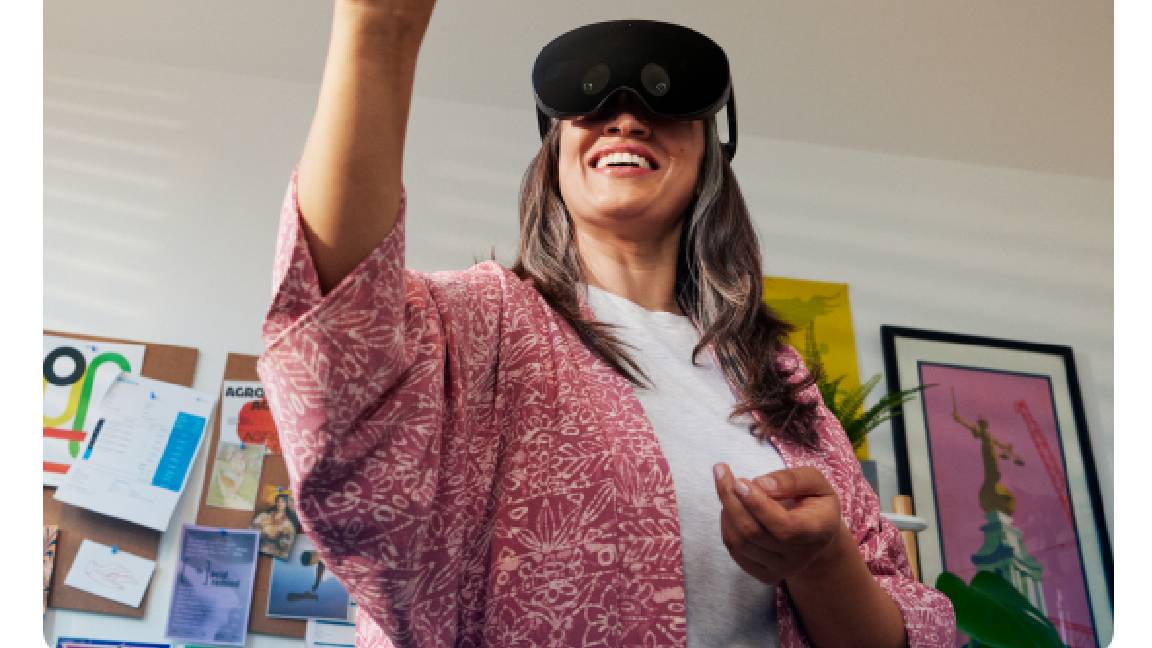
Future trends, changing work todaywhitepaper The Ultimate Guide
-
Go virtual in 3 steps, with Forresterwhitepaper Put virtual reality technology to work in your business
-

VR Diaries: ForresterWebinar Put virtual reality technology to work in your business
-
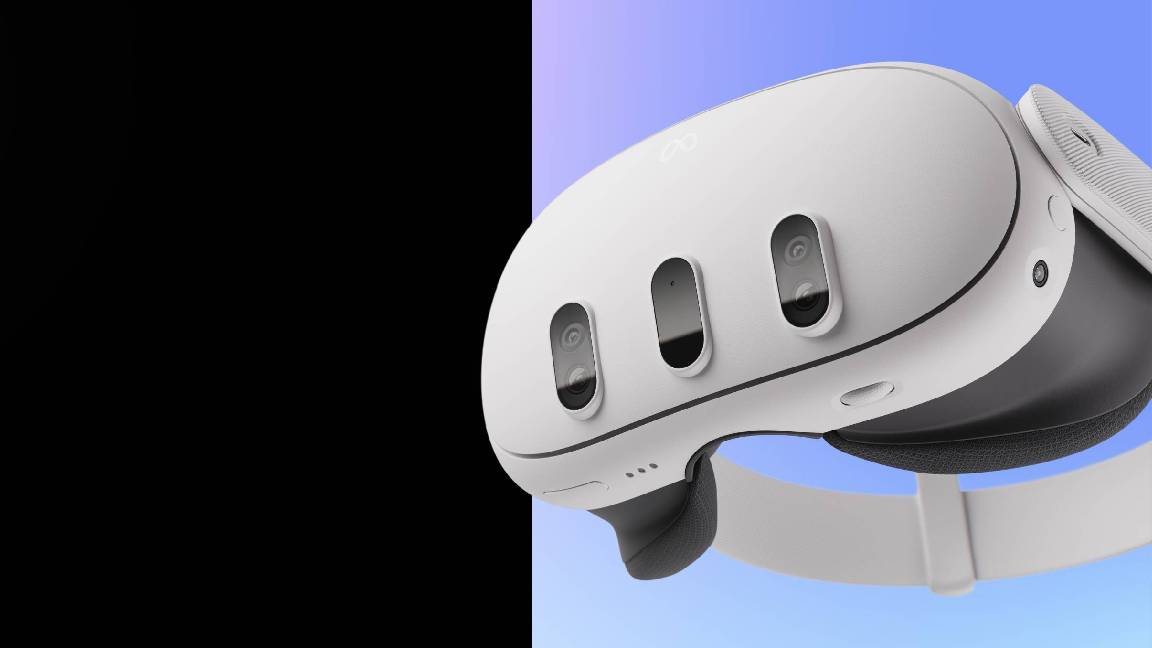
Mixed reality for workwhitepaper The ultimate guide
-
Meet in VR: The beginner's guidewhitepaper Seven meeting challenges VR can help you solve
-
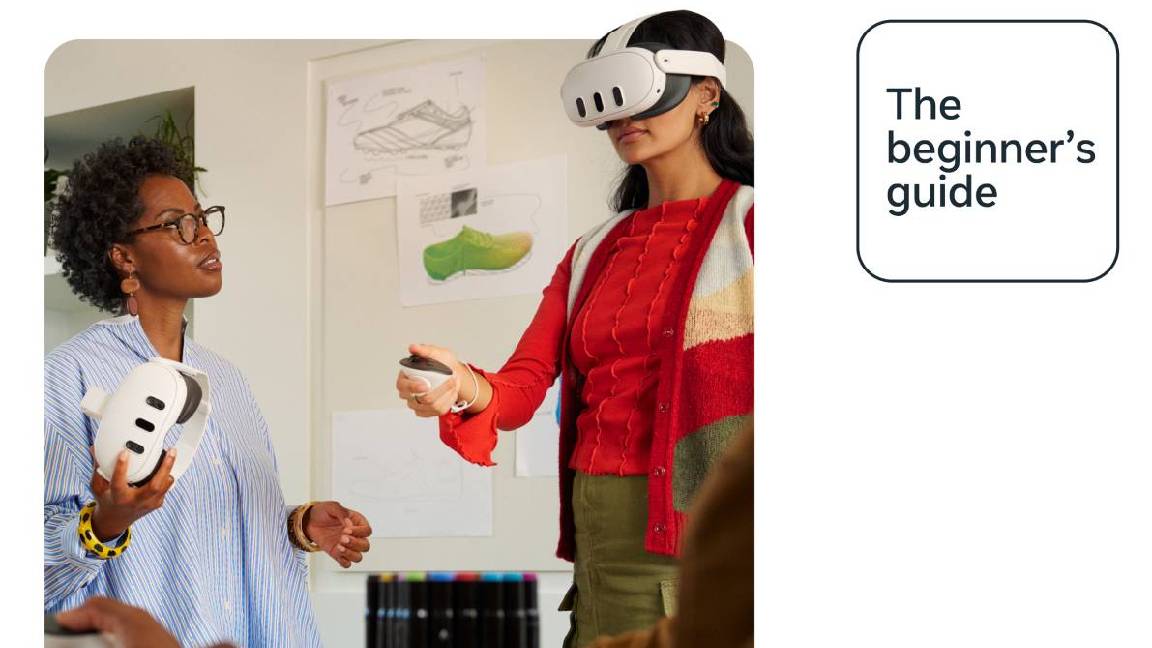
Learn in VR: The beginner's guidewhitepaper Seven training challenges VR can help you solve
-
Virtual reality for work: The ultimate guidewhitepaper Six ways virtual reality is changing the future of work
-
WWDC 2023: Will Apple’s Vision Pro be a VR game changer?Analysis As rivals fall by the wayside, Apple could define a sector once more with its Vision Pro mixed reality headset