Women show more team spirit when it comes to cybersecurity, yet they're still missing out on opportunities
While they're more likely to believe that responsibility should be shared, women are less likely to get the necessary training


-
 A spate of cyber attacks has rocked Japan
News With over 100 cyber attacks impacting major sectors this year, Japan’s ruling party is calling for an emergency taskforce to strengthen AI defenses
-
 Top takeaways: The AI tokenomics challenge
Feature Why invisible metering, compounding agentic workflows, and production scale turn enterprise AI into an open tab – and how leaders can govern for measurable value


-
 AI skills investment could boost the UK economy by £80 billion – but there's still a long way to go before firms can capitalize on the technology
News Researchers are calling for a Skills Tax Credit to incentivize employers
-
 AI is changing team structures in cybersecurity and creating new roles – here are the jobs in hot demand
News SANS Institute notes that companies are reworking security teams and salaries are going up
-
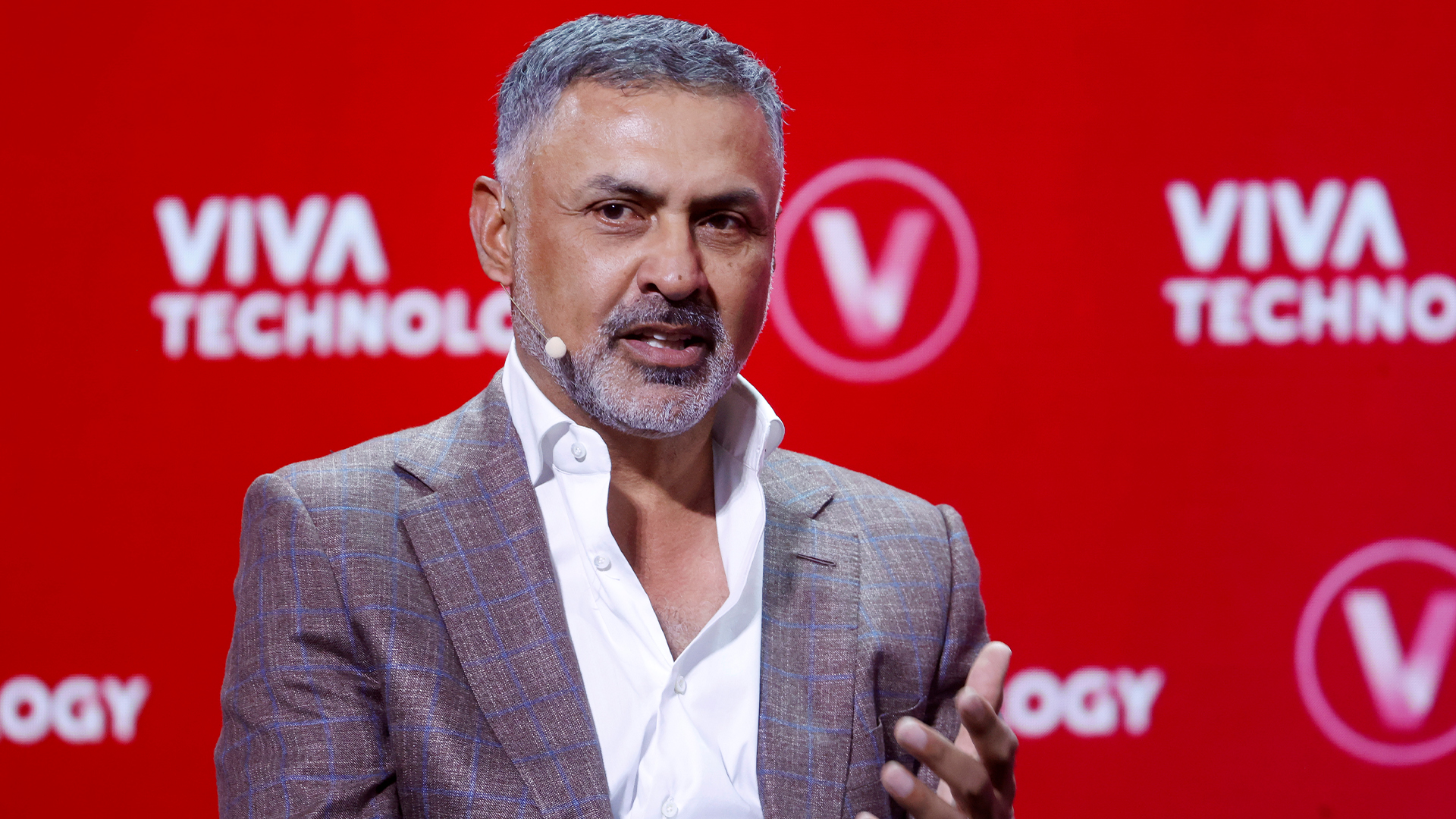 ‘Give me three years, I’ll have hopefully enough AI savvy people’: Palo Alto Networks CEO Nikesh Arora says it’s up to workers to adapt to AI – and that includes leadership
News The Palo Alto Networks chief said the company doesn’t employ punitive measures when it comes to embracing AI, but it is pushing for a more ‘savvy’ workforce
-
 Zoom exec on making sure we lead the change we want to see
In-depth “Some people think diversity is the responsibility of people and HR teams. And it's not.”
-
 The legislative challenges of cybersecurity
In-depth Technology is constantly evolving at a pace that legislation struggles to keep up with. Is it possible for governments to develop cybersecurity legislation that will not be obsolete before it is enacted?
-
 Upskill your staff in AI or expect them to quit, says Gartner
News Organizations need to focus on targeted AI tools and training to make the most of their staff and succeed in transformation
-
 ‘This isn’t a pipeline problem; it’s a leadership one’: Women are leaving tech roles at the peak of their careers – and taking vital skills elsewhere
News Keeping women in tech will require a stronger focus on flexible working and decent pay
-
 95% of organizations don’t fully trust their cybersecurity vendors – here’s why
News Organizations are struggling to assess vendor credibility as trust becomes a key factor in risk management.


