NetWalker ransomware mastermind indicted in Florida
FBI also launches an international investigation into the NetWalker operation

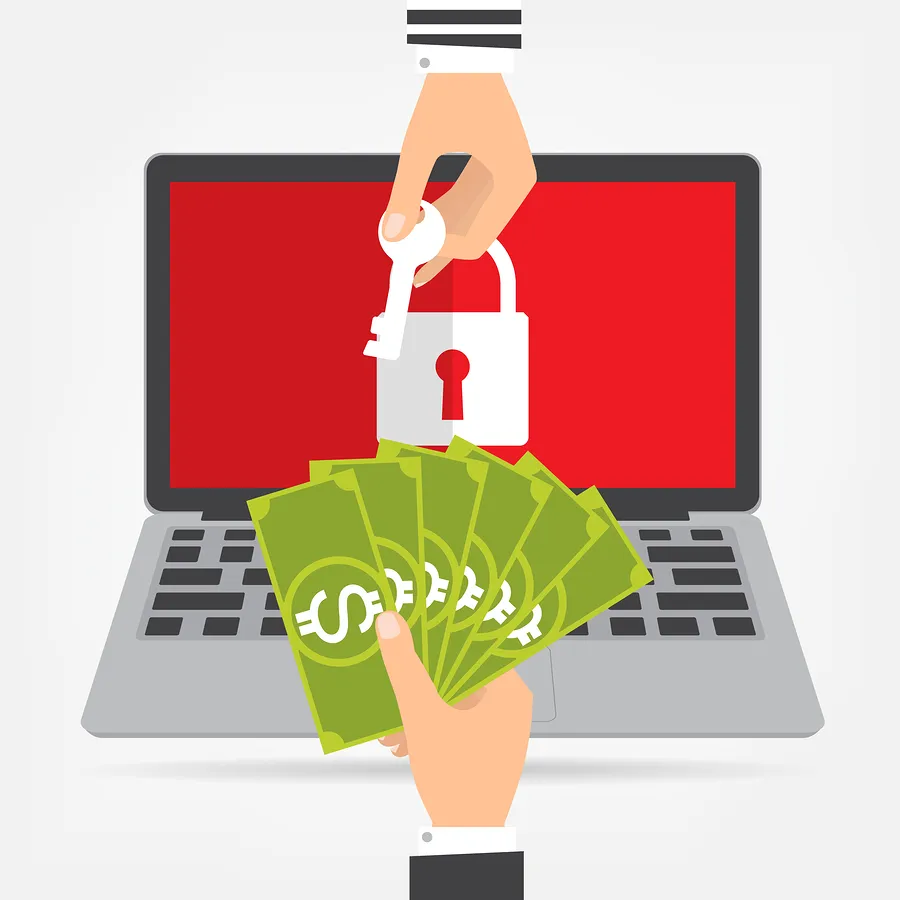
The FBI has launched an international investigation into the NetWalker ransomware operation, and prosecutors have filed an indictment on a key figure in the operation.
Florida courts charged Gatineau, Quebec-based Sebastien Vachon-Desjardins on December 2 and unsealed the indictment this week. The indictment accuses Vachon-Desjardins of computer fraud, conspiracy to commit wire fraud, intentional damage to a connected computer, and transmitting a demand in relation to that damage.
According to the Department of Justice (DoJ), Vachon-Desjardins allegedly obtained over $27.6 million from his fraudulent actions. On January 10, law enforcement officials also seized $454,530.19 in cryptocurrency, which the DoJ said came from three NetWalker victims.
NetWalker operates under a ransomware-as-a-service model, in which the code's owner allows affiliates to use it. The affiliates then pay the owner a commission from any successful ransomware operations. The affidavit accuses Vachon-Desjardins of transmitting ransomware himself and helping others to do the same.
NetWalker's operation was efficient in collecting payment, resulting in a lower-than-average resolution time for payments and data recovery, according to Coveware, a ransomware mitigation company. Coveware also reported that all NetWalker decryptions were successful after victims paid.
RELATED RESOURCE
Ransomware protection with Veritas NetBackup Appliances
How to use Veritas NetBackup and NetBackup Appliances to protect against and recover from ransomware attacks
The ransomware operation's success was partly due to it using the Tor dark web protocol that automated victims’ payments. In a report detailing the NetWalker operation, McAfee noted the company switched from email communication with victims entirely to the Tor site in March 2020.
This week, Bulgarian police seized an online property NetWalker affiliates used to deliver those payment instructions and replaced it with a seizure banner notifying victims of the takedown.
Attacks targeted a wide array of organizations, ranging from health care operations already under pressure from the pandemic through to educational facilities and local governments, and the operation was lucrative. Coveware reports the average NetWalker ransom payment was $344,000 in Q4 2020. However, some payments have been far higher. In June 2020, the University of California paid NetWalker criminals $1.14 million to recover encrypted data.
NetWalker attacks, which were mounted via phishing emails or through vulnerable remote desktop protocol (RDP) ports, didn’t always end with decryption. In some cases, affiliates would also exfiltrate the data and then charge victims not to publish it in what has become known as a double-extortion attack. Coveware has said that roughly half of all ransomware attacks now use this method.

-
 Your AI strategy has a paper problem
Features How multifunction, AI-enabled printers earn their place at the table
-
 Apple launches 'privacy-first' AI upgrade to Siri – but it won't be available in the EU
News The long-awaited Siri AI is here, and Apple says it's making sure to protect users' privacy and security amid an ongoing "standoff" with the EU


-
 Companies are still paying ransoms to cyber criminals despite official advice
News A Proofpoint survey found evolving ransomware techniques and the use of AI is exacerbating the situation for victims
-
 This one cyber crime group accounted for nearly a fifth of all ransomware attacks in June
News The Gentlemen, a ransomware a service operator, now accounts for 17% of published attacks
-
 Working with the enemy: Ransomware negotiator-turned cyber criminal jailed after working with hackers to extort clients
News Angelo Martino was supposed to be negotiating on behalf of victims, but was secretly working for ransomware operators
-
 Hackers are posing as Interpol to target small businesses – here's what you need to know
News Small businesses are warned to think twice before clicking on links
-
 ‘Every hour ransomware goes undetected drastically increases its potential blast radius’: Hackers are breaching networks and laying low for longer – and nearly half of firms don’t realize until data is stolen
News An ExtraHop survey found more intrusions are going undetected, leading to longer dwell times
-
 Ransomware cartels are fragmenting into volatile splinter groups, warns Met Police cyber chief
News Commoditized "cyber crime bazaars" and AI data mining are forcing law enforcement to rewrite its playbook
-
 New ransomware threat group, The Gentlemen, has become one of the most active ransomware operators, accounting for 10% of all attacks
News NTT researchers warn that the RaaS group is leveraging SystemBC malware to establish covert tunnelling, evade detection, and support rapid lateral movement across enterprise environments
-
 Instructure chose to a pay ransom following the Canvas cyber attack – research shows more than half of security leaders would follow suit
Analysis Opting to pay ransoms creates huge risks for enterprises – you’re relying on the word of criminals


