Apple and AMD will both be 'major customers' of TSMC's new Arizona fabs
Leaders from both tech giants confirmed they will be buying chips from TSMC as it announced a tripled investment into its Arizona chip-making plants


Apple CEO Tim Cook has revealed the company will be among the first customers at TSMC’s new US-based fabrication facilities.
The Taiwan-based company announced plans yesterday to triple its investment in US operations from an initial $12bn to $40bn and build a second production facility in Arizona.
The move marks one of the largest foreign investments in US history and has been hailed as a major milestone in bolstering domestic chip-making capabilities.
TSMC chairman Mark Liu revealed that the first fabrication plant is on course to be operational by 2024 while the second plant is expected to be up and running by 2026.
Liu added that the fabrication plants will deliver around 13,000 high-quality jobs and are expected to produce 600,000 chips each year - enough to meet growing demand from American manufacturers.
Once operational, the fabs will produce some of the most advanced chips currently available, including the four-nanometer and three-nanometer chips which are used to power Apple’s M-Series and A-Series processors, along with a host of Nvidia and AMD products.
“Exciting Day for America”
Tim Cook attended the ceremony alongside executives from Nvidia and AMD. In a speech at the event, he described the investment as an “incredibly exciting day for America, for Arizona, and for Apple too”.
Cook revealed that Apple will be among the first companies to purchase chips manufactured at the Arizona facilities. In a tweet afterwards, he added that the tech giant will be the plant's “largest customer”.
“We work with TSMC to manufacture the chips that power our products all over the world, and we look forward to expanding this work in years to come as TSMC forms new and deeper roots in America,” he said.
“Today is only the beginning. Today we are combining TSMC’s expertise with the unrivalled ingenuity of American workers. We are investing in a stronger, brighter future. We are planting a seed in the Arizona desert, and at Apple we are proud to nurture its growth,” Cook added.
AMD chief executive Lisa Su echoed Cook’s comments, confirming that the company expects to be a “big customer of both fabs”.
“We could not do what we do without our partnership with TSMC,” Su said. “Which is why we are so excited about today’s milestone."
American manufacturing capabilities
President Biden welcomed the TSMC investment as a significant moment for US chip manufacturing. The US once produced around one-third of the world’s computer chips. However, in recent years this has dipped to around 10%.
This has forced companies such as Apple, Intel, and Nvidia to rely heavily on overseas manufacturing to meet growing demand for products.
“Today, we’re down to producing only around 10 percent of the world’s chips, despite leading the world in research and design in new chip technologies,” Biden said in a speech at the Arizona facility.
Building intelligent, resilient and sustainable supply chains
The new engines of transformation
“The United States is better positioned than any other nation to lead the world economy in years ahead if we keep our focus,” he added.
The Biden administration and its predecessor both signalled intentions to accelerate domestic production amid global supply chain disruption and rising tensions with China.
In August, the Biden administration signed into law the CHIPS and Science Act. The act aims to lure manufacturers to US soil and will allocate more than $52bn in grants, loans and incentives to support manufacturers such as TSMC.
Both TSMC factories in Arizona will be partially subsidised by the US government, the Biden administration confirmed.
Despite positive remarks from Biden and key industry stakeholders, Mark Lippett, CEO for AI chip designer XMOS, told IT Pro that reducing reliance on overseas manufacturing and ensuring self-sufficiency in the US represents a “real challenge”.
“The semiconductor industry is so vast and so complex that it doesn’t really work without a globalised world,” he said. “If there was a global directive that mandates no chip sales to China at all, for example, the majority of the semiconductor businesses would go belly-up.”
“There’s also the complexity of the supply chain to contend with. It’s a concatenation of hugely expensive, complex concepts, from very specific IPs to bespoke and specialised equipment. You can’t just throw money at the problem with specific expectations for ROI,” Lippett added.


-
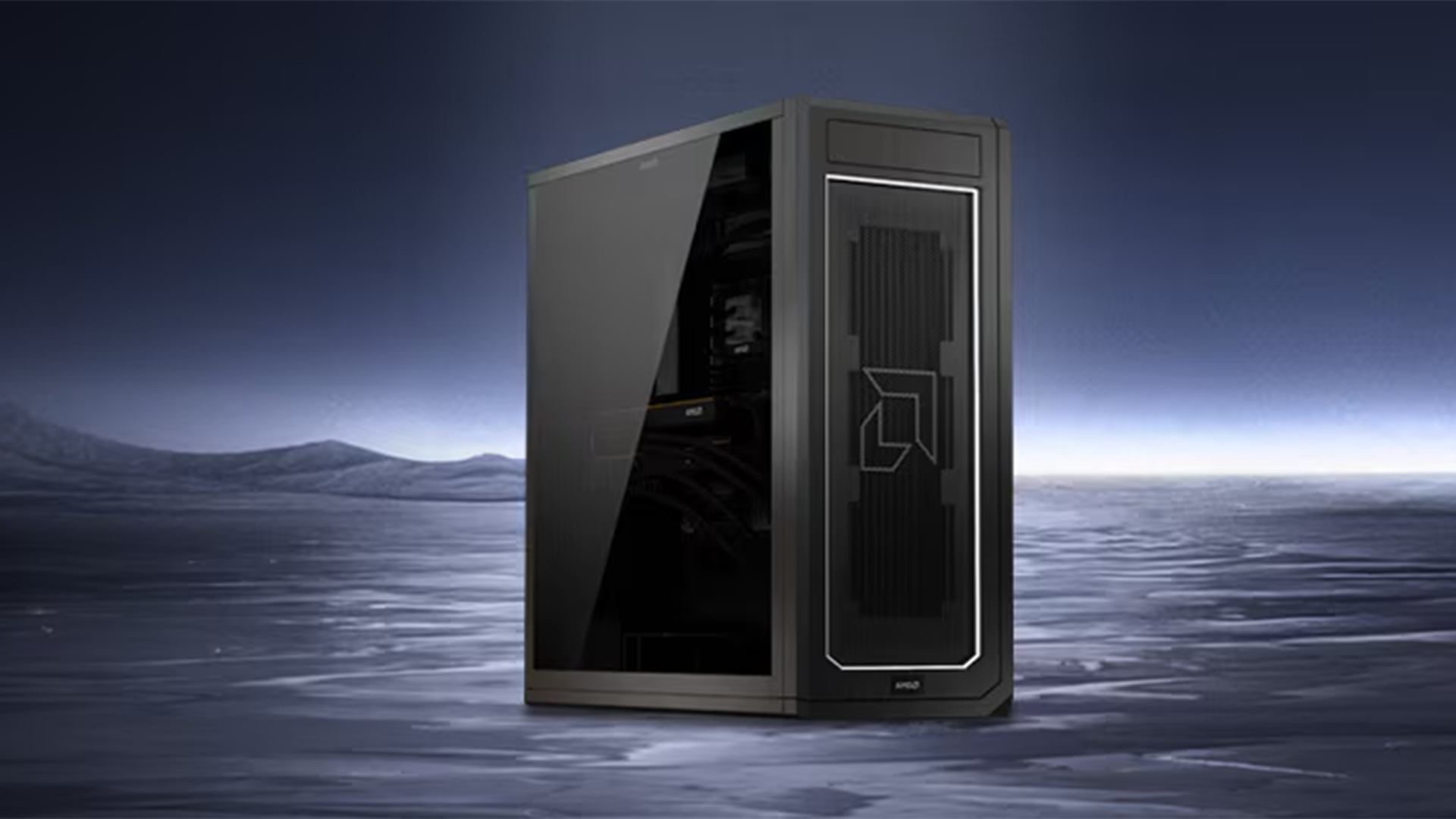 ‘This is about as close as you can get to a personal supercomputer’: AMD has Nvidia in its crosshairs with the Threadripper Halo AI workstation
News The new device boasts 3.4x the total system memory compared to the Nvidia DGX Station, according to AMD
-
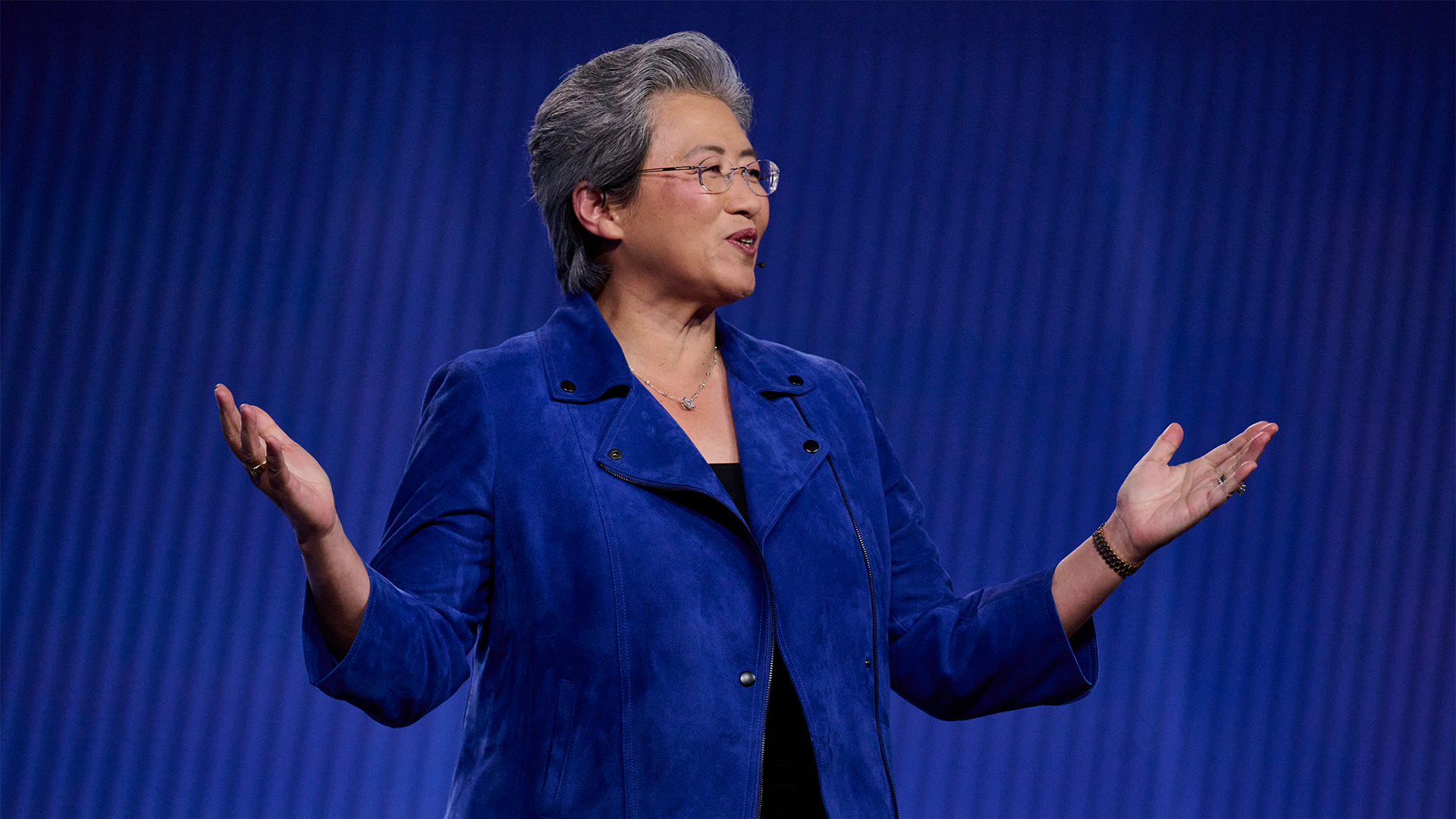 AMD CEO Lisa Su hails ‘excellent quarter’ as data center revenue surges 107%
News The record-breaking quarter comes as AMD prepares to roll out its Helios rack-scale architecture later this year
-
 Looking to build an AI data center? Here’s five reasons to go with AMD EPYC CPUs
High core density, inference, and scalability are just some of the benefits of an AMD EPYC CPU
-
 How AMD EPYC CPUs and AMD Instinct GPUs are powering the world's HPC facilities
Sponsored AMD offers powerful chipsets for AI and traditional HPC workloads, including native FP64 support
-
 ‘The United Kingdom has the talent, research excellence and ambition to help lead the next era of AI’: AMD chief exec Lisa Su touts UK’s AI potential as firm eyes £2bn investment
News The deal will see a new AI supercomputer built in Cambridge and partnerships with Imperial College London and Oriole Networks
-
 Is AMD EPYC the right CPU for your AI models?
These top tips will help you decide if AMD EPYC CPUs are the right fit for your AI models
-
 AMD and Samsung forge closer ties on AI memory, potential foundry deal
News The pair are forging closer ties on chip development and future foundry opportunities
-
 AMD thinks ‘AI on the PC has crossed an important line’ – the rise of ‘Agent Computers’ will be the next big breakthrough
News The chipmaker believes “Agent Computers” will be the next big breakthrough with on-device AI capabilities


