Dell World 2012: Smart CIOs need to think about touch today, warns Dell
If the next batch of laptops you buy for your business doesn’t include touch, warns Dell, you might face tough questions in a year’s time.



-
 Microsoft takes down ‘EvilTokens’ cyber crime service
News In just six months, the EvilTokens phishing as a service platform hit thousands of organizations worldwide
-
 Building solid cybersecurity foundations for the AI era
With cyber risks evolving, it's never been more important to consider embedding security-by-design into the core of your infrastructure


-
 5 reasons every AI team needs a deskside agentic AI accelerator like the Dell Pro Max with GB10
Sponsored The Dell Pro Max with GB10 can help enterprises kickstart and scale their agentic AI adoption journey
-
 Lenovo aims to wow developers with small but mighty ThinkCentre desktops at IFA 2026
News AMD Ryzen-powered and ultra-slim ThinkBooks launched at Lenovo Innovation World
-
 Dell’s NVIDIA-based AI powerhouses compared: The Dell Pro Max with GB10 versus the Dell Pro Max with GB300
Sponsored The Dell Pro Max with GB10 and GB300 workstations are the perfect devices to help supercharge AI innovation
-
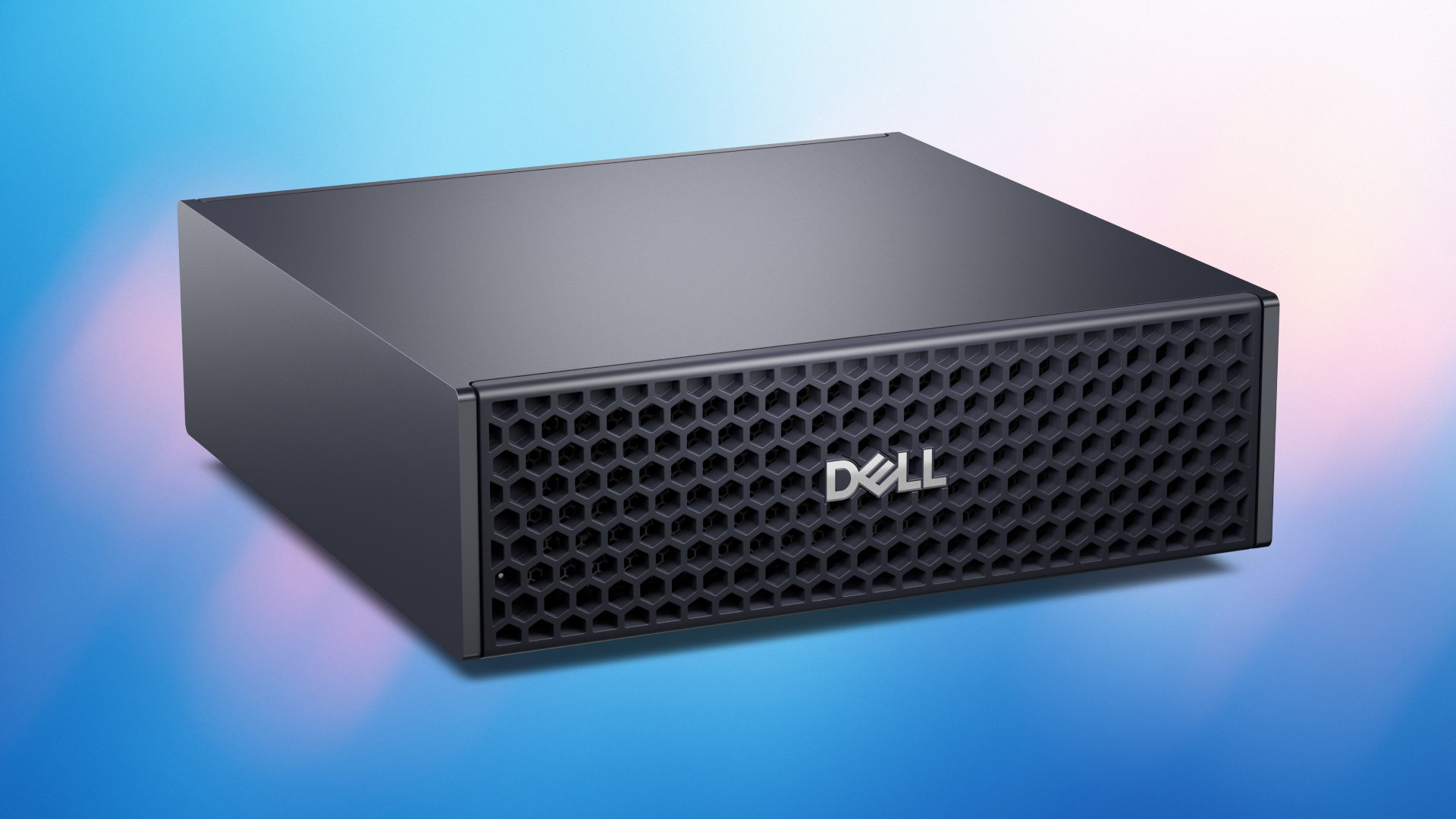 AI on the edge: 5 reasons to add a deskside AI accelerator like the Dell Pro Max with GB10
Sponsored The Dell Pro Max with GB10 series brings high-performance compute straight to your desk
-
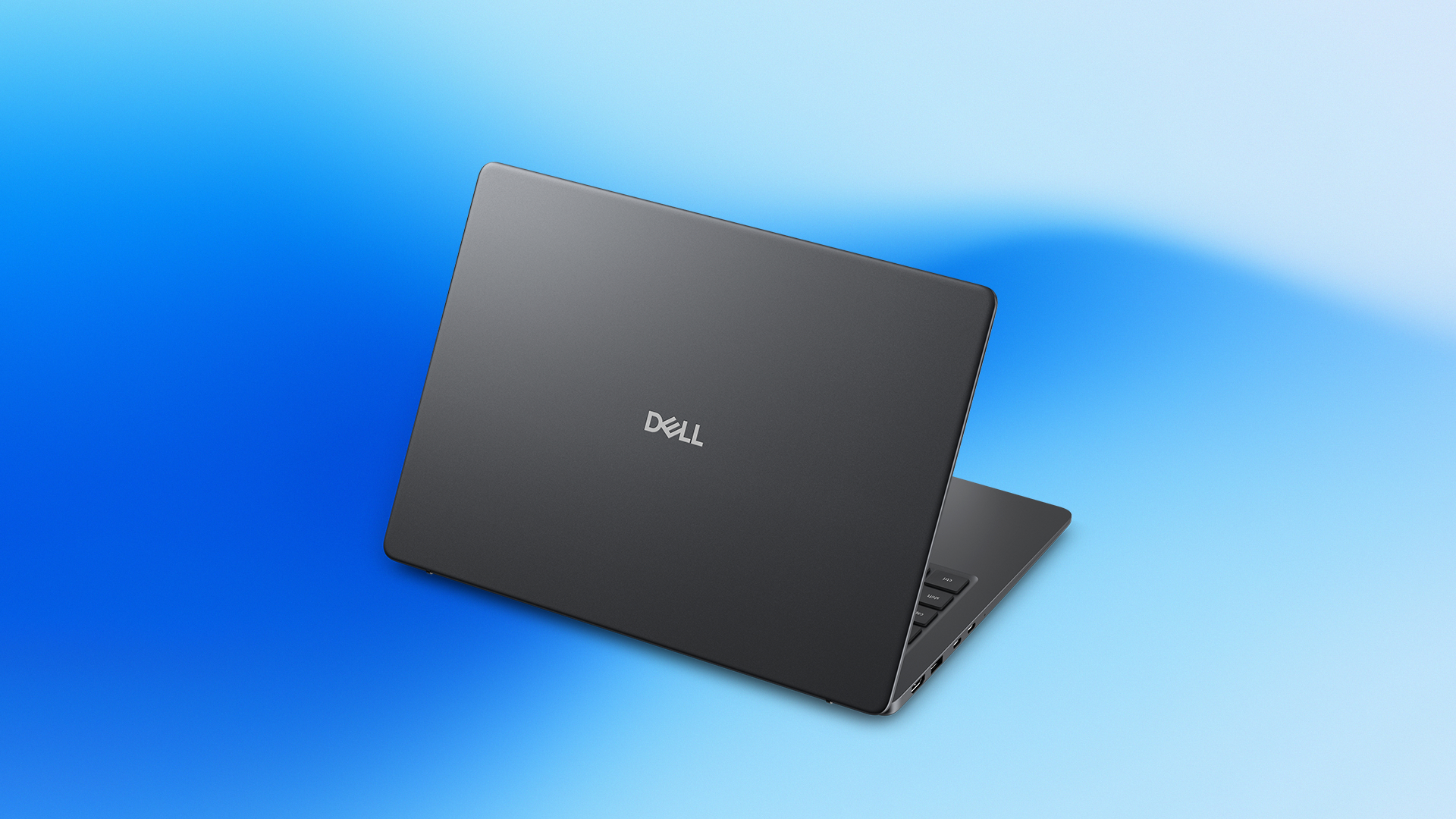 Which form factor? When to choose the Dell Pro 7 in 13in, 14in, or 2-in-1 design
Sponsored The Dell Pro 7 laptop is available in a range of form factors designed to suit different ways of working. Which should you choose?
-
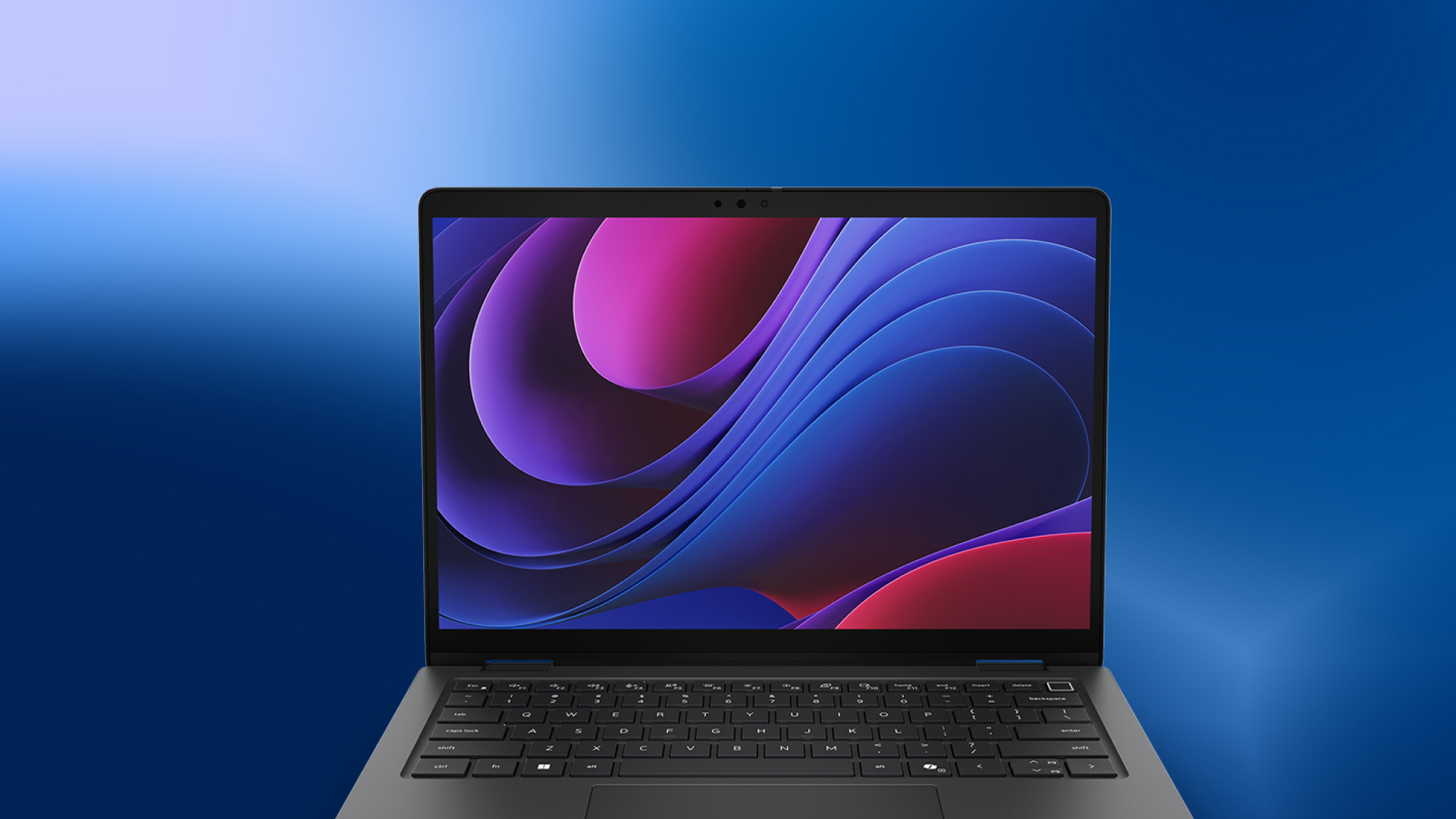 How business leaders are using the Dell Pro 7 and Dell Pro 5
Sponsored Thanks to flexibility and a range of spec options, the Dell Pro 7 and Pro 5 laptops can suit a variety of business leaders across a mix of workplaces
-
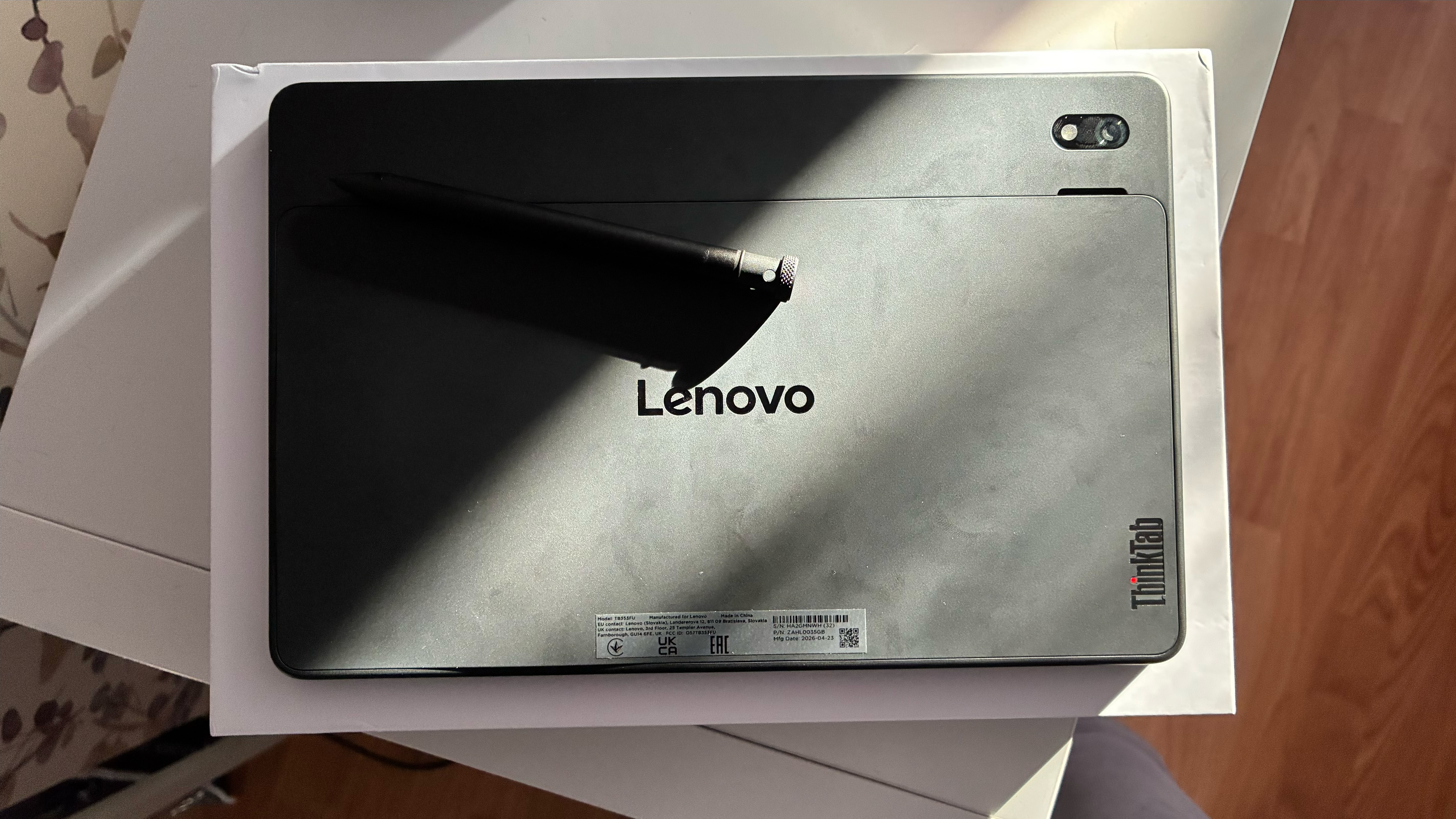 The Lenovo Think Tab X11 is a rugged Android tablet for frontline workers – and it's tough as old boots
Reviews The first-Android-based rugged tablet from Lenovo is perfect for remote enterprise workers
-
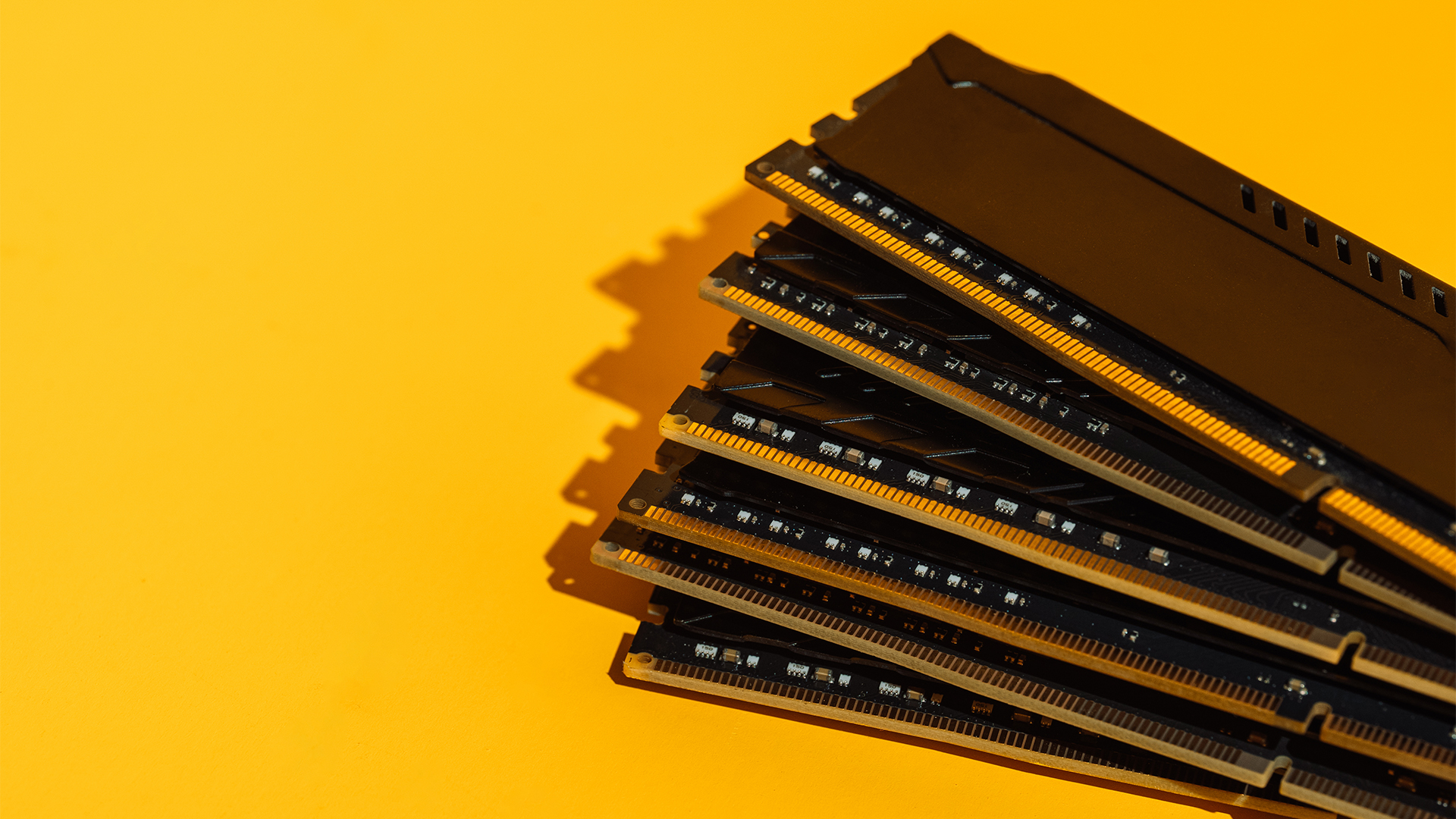 The memory shortage is hitting PC sales hard, but vendor revenues are still growing at the expense of consumers
News AI-driven component shortages are hurting PC sales, but device vendors are recording solid revenue growth


