There's officially no escape from AI PCs
Manufacturers clearly view AI PCs as a way to overcome recent revenue slumps and load devices with new productivity-enhancing features


AI PCs have rapidly emerged as a key industry buzzword in recent months, with leading stakeholders going so far as to describe AI-capable devices as the “future of computing”.
Intel chief executive Pat Gelsinger made this bold statement at the chip giant’s AI Everywhere conference in December 2023, suggesting that AI PCs will be the “star of the show” in 2024 and beyond, providing users with vital AI-powered capabilities aimed at boosting productivity.
Given Intel has a vested interest in promoting this viewpoint as a major manufacturer, Gelsinger’s comments are hardly surprising. However, they do highlight what has been a rapid shift in focus across the industry in recent months.
Generative AI has taken the world by storm, but its use has typically been limited to cloud-based environments. Generative AI-infused hardware is the obvious next step in this evolutionary path.

Industry analysts seem to agree on this, with many bullish on the prospect of AI PCs in coming years. Recent research from Canalys, for example, noted that the emergence of AI-capable devices marks a “watershed moment” for the PC industry, and one that is likely to “reinvigorate the market and transform user experiences”.
In 2024, Canalys predicts that 19% of PCs shipped globally will be AI-capable. This initial, tentative flow of AI PCs into offices worldwide will rapidly develop into a torrent over the course of the decade, however.
By 2027, the consultancy expects 60% of PCs shipped globally to be AI-capable, with much of this growth initially driven by commercial adoption in 2024 onwards.
AI PCs could be a silver bullet for sluggish industry growth
The emergence of AI PCs and heightened business interest in this new frontier comes at a perfect moment for the PC industry, which has experienced a significant deceleration over the last two years.
Research from Canalys in January 2023 revealed the global PC market witnessed a “record decline” in the last quarter of 2022 - the biggest decline since the consultancy began tracking shipments in the 1990s, no less.
The market also experienced two consecutive quarterly declines of over 30% in 2022, highlighting the fact this wasn’t just an abnormality; both businesses and consumers curtailed spending on this front due to deteriorating economic conditions.
Major manufacturers, including Dell, Lenovo, and HP, were among the worst hit by this decline, with all three recording extremely concerning nosedives in shipments across 2022 and early 2023.

But AI PCs could offer a much-welcomed reprieve for struggling manufacturers, presenting them with a prime opportunity to capitalize on new revenue streams and to overcome a record-breaking slump.
The aforementioned firms have all signaled their intention to pounce on the AI PC craze in recent months, with HP in particular viewing this as a key battleground with industry competitors.
In October 2023, HP chief executive Enrique Lores told attendees at the firm’s ‘Imagine’ conference in Palo Alto that the “age of AI will create a new kind of PC”.
RELATED RESOURCE

Discover how a hybrid approach to cloud architecture provides an ideal solution to fluctuations in demand for computing resources
DOWNLOAD NOW
Speaking to ITPro at the time, Alex Cho, president of personal systems at HP, said the confluence of AI and the era of hybrid work has created the perfect conditions for the rise of this new type of device and a new era of computing.
In providing more powerful, AI-infused devices, businesses can supercharge productivity and reap long-term rewards.
“Tomorrow, everyone will experience the full potential of AI, as the PC goes from personal computer to the personal companion,” he said.
More recently, CES 2024 offered a glimpse into this current industry focus, with the consumer electronics conference utterly saturated with AI device announcements.
Dell, for example, unveiled a laptop that included a dedicated Windows Copilot key.
Meanwhile, Microsoft’s decision to make the biggest change to its keyboard setup in more than two decades underlines the long-term intent here.
Much like its core product offerings, AI tools will be woven into the very fabric of the devices we use in years to come, and it’ll all be at the click of a button.

-
 A spate of cyber attacks has rocked Japan
News With over 100 cyber attacks impacting major sectors this year, Japan’s ruling party is calling for an emergency taskforce to strengthen AI defenses
-
 Top takeaways: The AI tokenomics challenge
Feature Why invisible metering, compounding agentic workflows, and production scale turn enterprise AI into an open tab – and how leaders can govern for measurable value


-
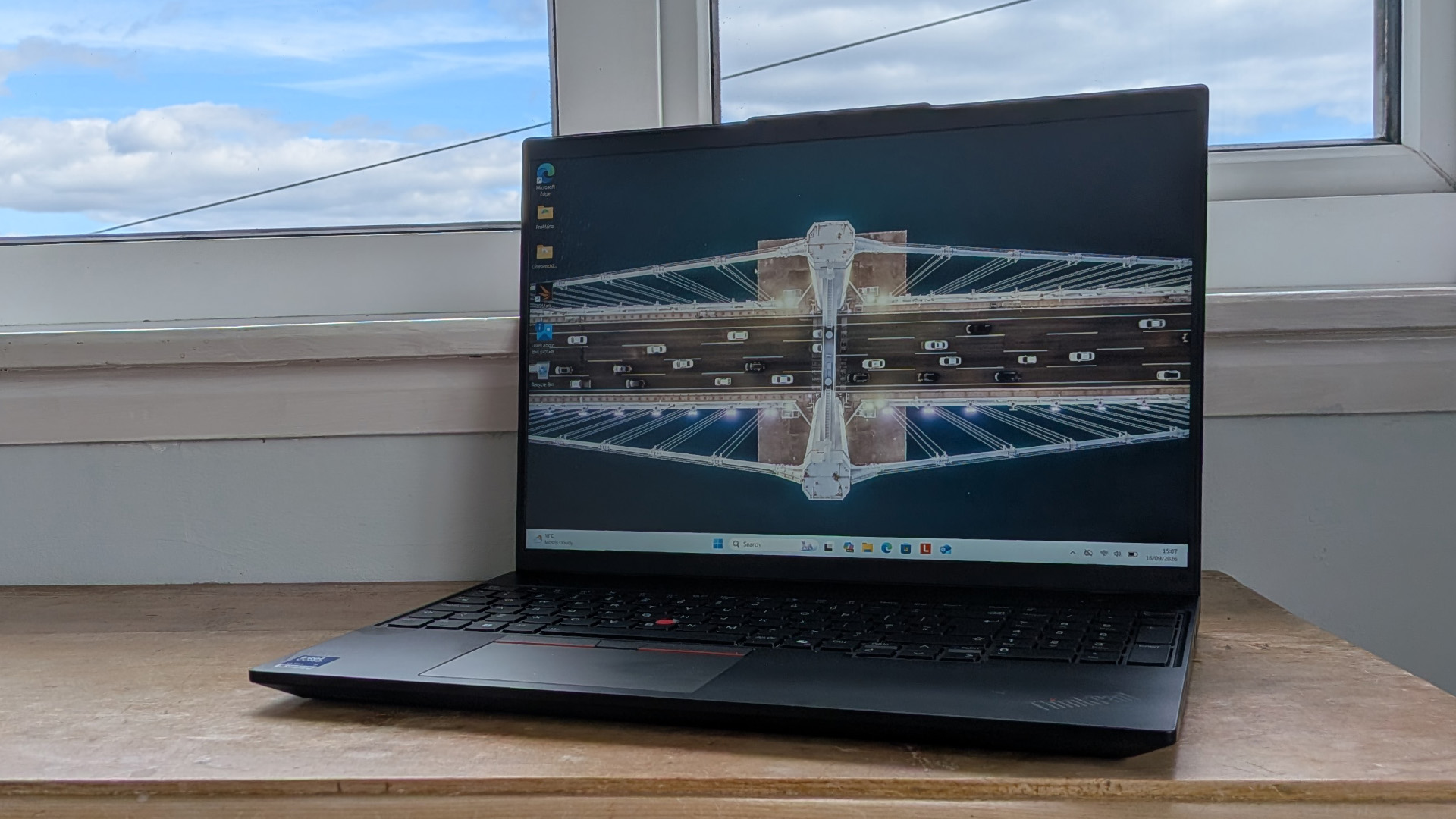 Lenovo ThinkPad L16 Gen 3 review: All about the productivity
Reviews A rock-solid big-screen productivity machine, though you could get more performance and a better screen if you look elsewhere
-
 Is your data ready for the AI rush? Questions IT leaders should ask before scaling AI
Sponsored IT leaders face an array of considerations when embarking on an AI initiative, but what areas should they prioritize?
-
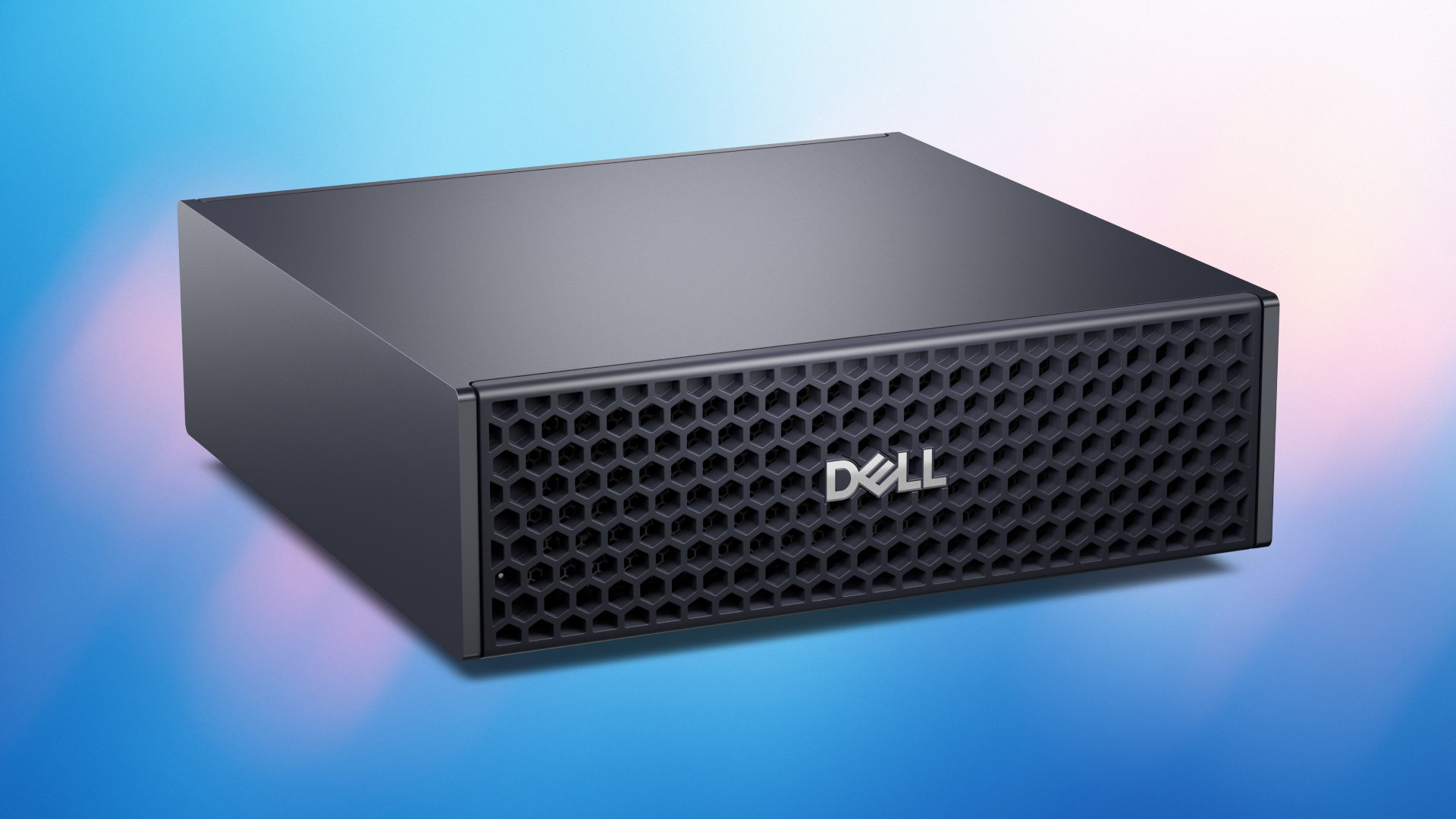 8 reasons the NVIDIA-powered Dell Pro Precision with GB10 could become every AI developer’s favorite tool
Sponsored How Dell Pro Precision with GB10 puts frontier-level AI compute on your desk (and could save you money on token spend)
-
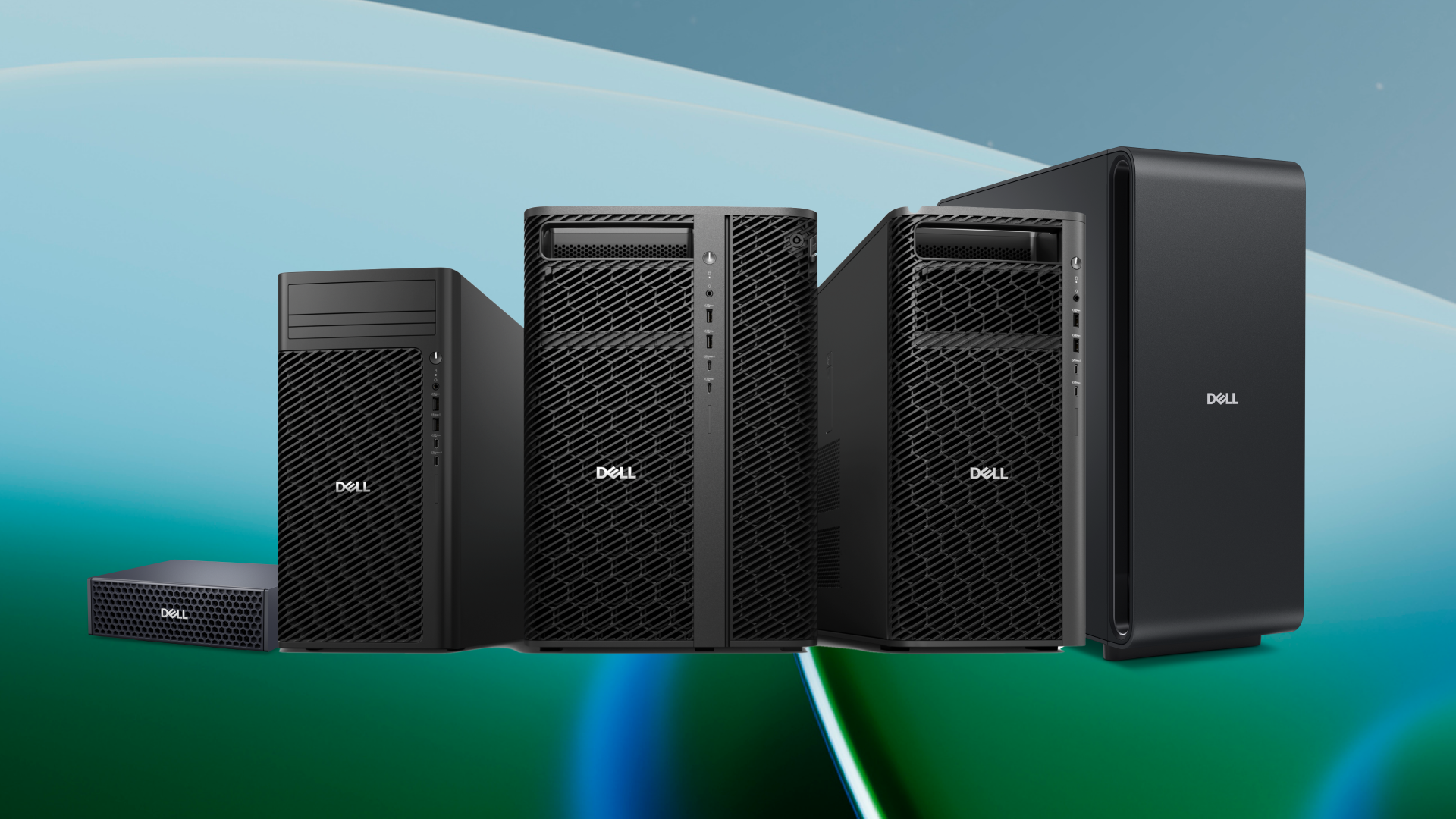 $3k a day on tokens? Dell’s deskside agentic AI Accelerators will save you money on AI development
Sponsored Enterprises are facing rising AI bills, but it doesn’t have to be that way
-
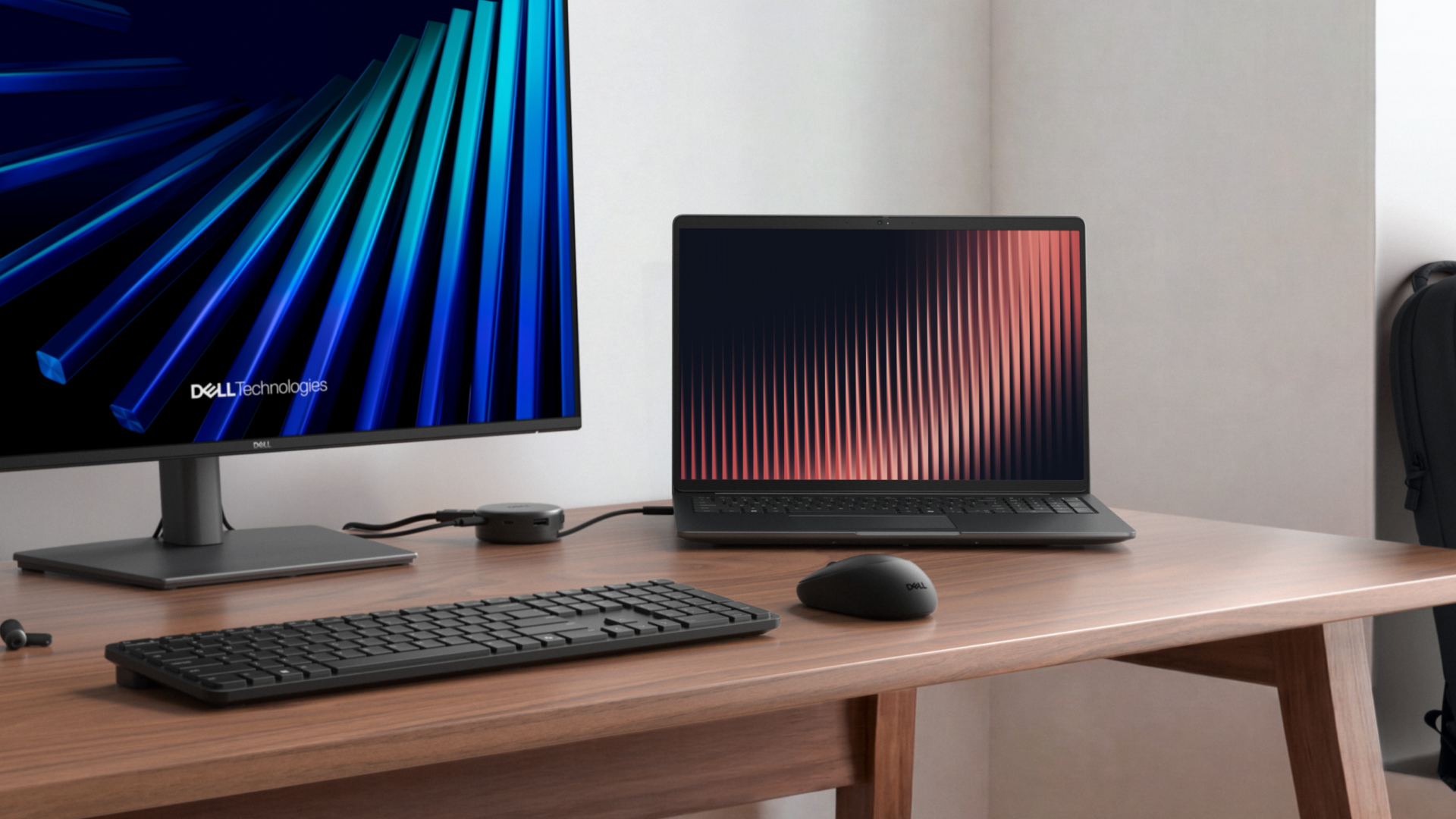 Dell Pro 5 or Dell Pro 7? How to choose the right laptop for your employees
Sponsored Office powerhouse or master of mobile working? The choice is yours. Find out if you should buy the Dell Pro 5 or Dell Pro 7 for your business
-
 How the Dell Pro 5 & Dell Pro 7 laptops add a layer of security for better hybrid working
Sponsored Secure your hybrid workforce with Dell Pro laptops, featuring robust silicon-level hardware protection that safeguards critical data below the operating system
-
 The AI-enhanced Lenovo ThinkPad L14 Gen 7 underperforms with Intel's latest tech
Reviews A solid ThinkPad refresh, albeit with a slightly disappointing screen, but it's a well-built and hugely usable laptop.
-
 All hail the HP OmniBook Ultra 14 – the battery life king of compact laptops
Reviews As a versatile and capable daily driver, HP's cheapest Snapdragon X2-powered compact OmniBook Ultra takes some beating


