95% of organizations don’t fully trust their cybersecurity vendors – here’s why
Organizations are struggling to assess vendor credibility as trust becomes a key factor in risk management.


-
 How resellers can turn hybrid meeting pain into repeatable revenue
Industry Insights Reliable technology turns hybrid work frustrations into recurring reseller revenue opportunities
-
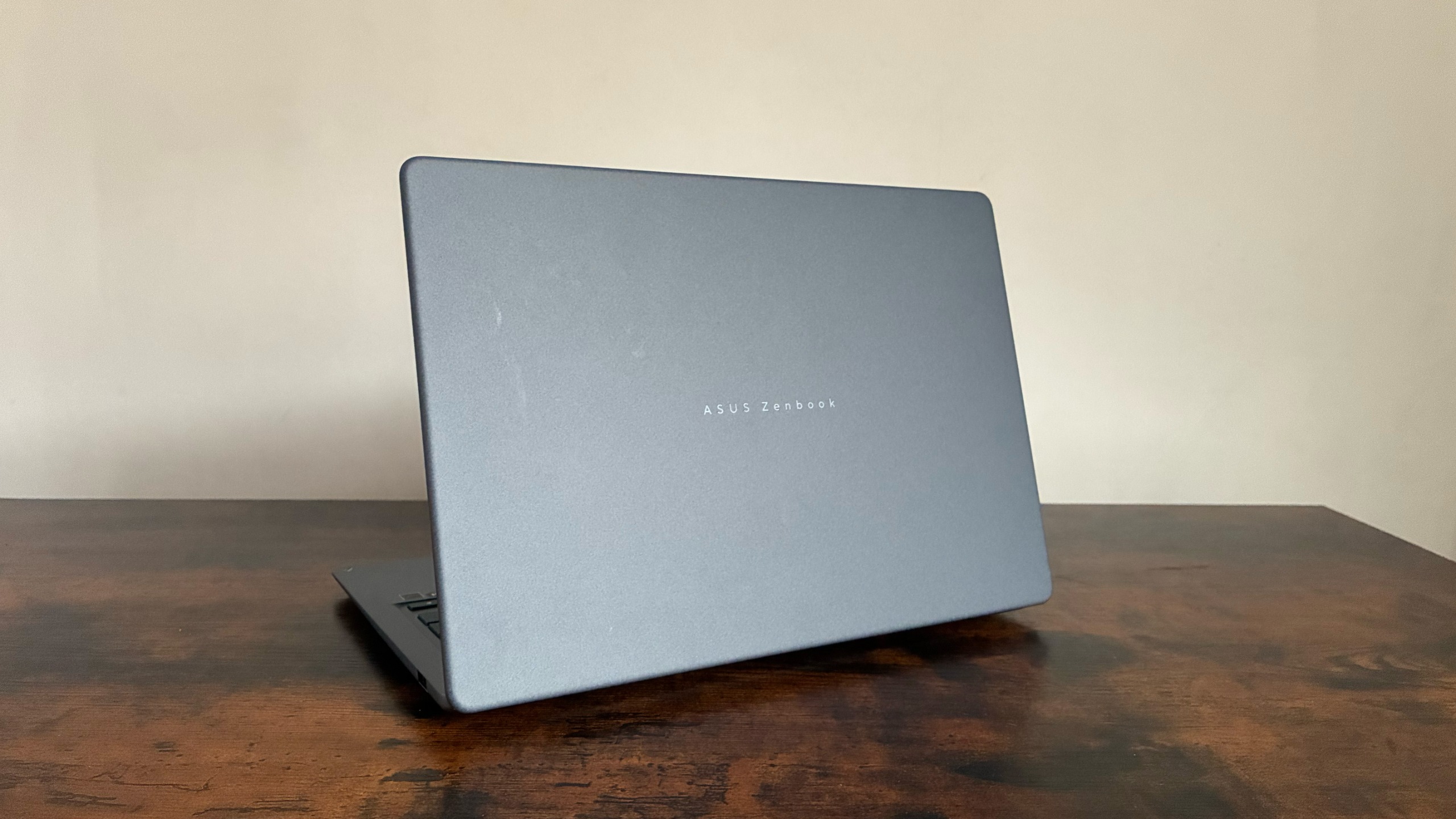 Asus Zenbook 14 (Snapdragon X UX3480Q) review
Reviews Poor battery performance and an older Snapdragon chip, but still a good choice for the office


-
 AI is changing team structures in cybersecurity and creating new roles – here are the jobs in hot demand
News SANS Institute notes that companies are reworking security teams and salaries are going up
-
 The legislative challenges of cybersecurity
In-depth Technology is constantly evolving at a pace that legislation struggles to keep up with. Is it possible for governments to develop cybersecurity legislation that will not be obsolete before it is enacted?
-
 Government CIOs prepare for big funding boosts as AI takes hold in the public sector
News Public sector IT leaders need to be mindful of falling into the AI hype trap
-
 Proofpoint's acquisition spree continues with Nuclei deal
News The vendor will integrate Nuclei’s compliance archiving and data-enrichment capabilities into its human-centric security platform
-
 Women show more team spirit when it comes to cybersecurity, yet they're still missing out on opportunities
News While they're more likely to believe that responsibility should be shared, women are less likely to get the necessary training
-
 Osney Capital unveils UK's first seed fund for cybersecurity startups
News VC firm Osney Capital has launched the UK’s first specialist cybersecurity seed fund, saying it plans to back 30 companies at the seed and pre-seed stage.
-
 IBM pledges support for UK government cyber skills program
News The CyberFirst Girls competition is aimed at increasing diversity in the cyber security workforce
-
 DigiCert targets APAC, EMEA growth with double leadership hire
News Paul Holt joins DigiCert as EMEA group vice president, while James Cook takes the reins in APAC


