Cybersecurity spending is increasing, yet many organizations still experience breaches, operational disruption, and ongoing security challenges.
As businesses expand their digital environments and adopt new technologies such as AI, many are also finding that their larger security budgets are not translating into stronger protection.
For managed security service providers (MSSPs) and channel partners, this is an important opportunity. Many customers are looking for support that goes beyond simply deploying additional security products. They want a partner who can help them manage cyber risk more effectively, while also helping them operate in a complex security environment.
This shift in customer priorities is even more visible as organizations are managing increasingly fragmented IT environments. Hybrid working, cloud adoption, remote endpoints, and connected applications have all expanded attack surfaces considerably over the past few years. In addition, many businesses have accumulated multiple security tools across different parts of the organization, often from different vendors and with varying levels of integration.
Latest Videos FromChannelPro
Although each tool may exist to address a specific security requirement, the overall result is difficult to manage. Security and IT teams may need to monitor numerous dashboards, respond to large volumes of alerts, and manually correlate information between systems. In some environments, this will create visibility gaps and operational inefficiencies, making it harder to respond quickly to threats.
For MSSPs, this is likely to be a key focus for customers. Many organizations are reassessing whether adding more standalone tools is the most effective way to improve resilience. And there is growing interest in approaches that simplify management, improve visibility, and support measurable risk reduction.
This is particularly relevant for mid-market organizations that may not have large in-house security teams. Many smaller IT departments are being asked to manage increasingly sophisticated environments, while also responding to complex threats, regulatory requirements, and user demands. A channel partner that can reduce this operational pressure while also improving security outcomes will be able to demonstrate and deliver greater long-term value to customers.
Unsurprisingly, AI is also influencing this. Businesses are adopting AI-enabled technologies across their operations, while cybersecurity vendors are increasingly integrating AI into security tools and platforms. Cybercriminals are also using automation and AI-supported techniques to increase the scale and sophistication of phishing campaigns, social engineering, and vulnerability exploitation.
Keeping safe and secure, but without spending more
Organizations are faced with growing pressure to improve detection and response capabilities without significantly increasing operational overhead.
For MSSPs, this creates the opportunity to help customers manage security more practically and sustainably. Rather than focusing solely on deploying additional technologies, many are positioning themselves around outcomes such as improved visibility, faster response times, and simplified security operations.
Integrated security platforms are becoming increasingly relevant in this context. Platforms that bring together endpoint protection, identity security, network monitoring, and threat detection capabilities help organizations reduce fragmentation and improve operational efficiency. By consolidating visibility and automating some routine tasks, businesses may be able to reduce alert fatigue and simplify day-to-day security management.
Automation is also playing a growing role in helping organizations manage their rising security demands. Many MSSPs are using automation to support threat detection, incident response, patch management, and policy enforcement. For customers with limited internal resources, this helps to improve consistency and reduce the burden on internal IT teams.
Technology alone is not the solution
But technology on its own is unlikely to solve every security challenge. Many organizations still require support with prioritisation, governance, and practical risk management. This is where MSSPs can differentiate themselves from those providers who are focused primarily on product deployment.
Customers are increasingly evaluating cybersecurity investments based on operational effectiveness rather than simply the number of tools deployed. In some cases, this may involve consolidating overlapping products, improving configuration management, or streamlining response processes rather than introducing additional technologies.
This approach also aligns with the growing industry focus on cyber resilience. Many organizations recognize that security strategies should include detection, response, and recovery capabilities, alongside prevention. MSSPs that can help customers improve resilience and reduce operational disruption will strengthen their role as long-term strategic partners.
The channel also has an important role to play in helping organizations adopt AI-enabled security capabilities responsibly. While AI may help improve efficiency and threat analysis, it can also introduce additional management challenges if implemented without proper oversight or integration. This means customers will value partners that can help them adopt new technologies in a manageable and commercially practical way.
Organizations need to balance growing cyber risks with operational and financial pressures. As a result of this, there is likely to be increasing demand for MSSPs and channel partners that can simplify cybersecurity management while supporting stronger resilience outcomes.
This is an opportunity for the channel to move conversations away from tool proliferation and towards measurable risk reduction. The conversation with customers needs to be about helping them manage complexity, improve operational visibility, and align security more closely with business priorities.


 How resellers can turn hybrid meeting pain into repeatable revenue
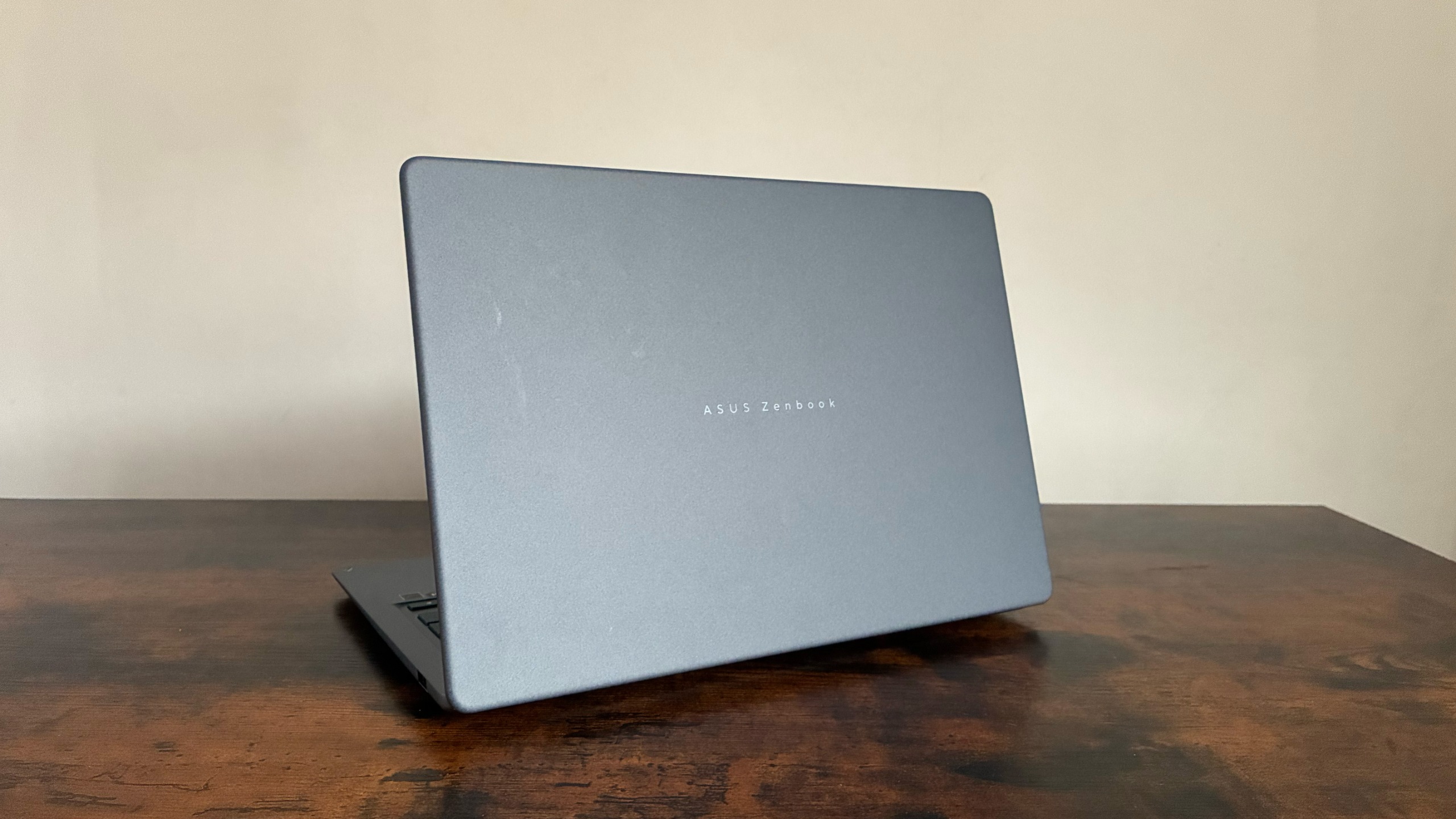 Asus Zenbook 14 (Snapdragon X UX3480Q) review

 The hidden cost of tool sprawl on the channel
 Why the MSSP model is broken, and how to fix it
 How MSSPs can deliver continuous pentesting without hiring more security experts
 The CISO now owns physical security. Here’s what that means for the channel
 Why software supply chain security is the next accountability challenge for channel partners
 Sovereignty is the channel’s next trust test
 Why MSPs should rethink the browser as the new security control point
 Why quantum-ready data protection belongs in the channel portfolio


